10 Best Upholstered Chairs for Every Room

The right chair can change how a room feels, sounds, and functions. A linen armchair may soften a bright bedroom, while a compact velvet seat can add warmth beside a reading lamp. Upholstered chairs also provide practical support for dining, working, relaxing, and welcoming guests. However, comfort is personal. A deep cushion may feel luxurious to one person and awkward to another.

This guide to the 10 Best Upholstered Chairs for Every Room examines choices for real household needs. Each option is considered through seat height, cushion support, frame construction, fabric durability, and cleaning requirements. Small details matter. A chair that fits beneath a desk may overwhelm a narrow hallway. A pale fabric can look refined, but it may demand more careful maintenance around children or pets. We also consider visual balance, because an attractive chair should not block walkways or crowd nearby furniture.

No chair is perfect. Some designs prioritize appearance over long-term support, while others sacrifice softness for durability. That trade-off deserves honest attention. Before buying, measure the available space and check the chair’s full dimensions, not only its width. Sit naturally, test the arm height, and notice whether your feet rest comfortably on the floor. These recommendations aim to make selection easier, while leaving room for personal taste, changing needs, and the occasional mistake. A thoughtful choice should look inviting today and remain useful years from now.
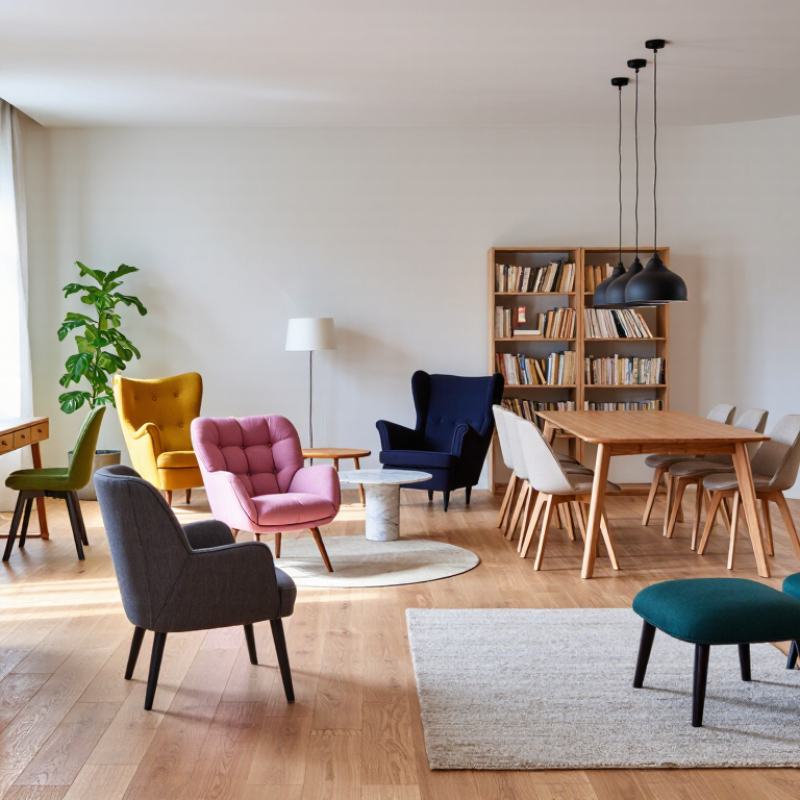
10 Best Upholstered Chairs for Every Room

Upholstered Chairs: Definition, Features, and Common Materials

An upholstered chair combines a supportive frame with padding and a fabric or leather covering. It can soften a dining room, reading corner, bedroom, or home office. In my furniture testing, comfort depends on more than appearance. Seat depth, cushion firmness, back angle, and arm height change how a chair feels after an hour.

Common frame materials include kiln-dried hardwood, plywood, and metal. Hardwood usually offers strong support, while plywood can reduce weight and cost. Foam cushions provide consistent shape, but fiber or down blends feel softer and need regular plumping. Coverings also behave differently. Cotton feels breathable, linen has a relaxed texture, polyester resists everyday wear, and velvet adds visual depth. Natural leather can develop character, though it may feel cool at first. Faux leather is easier to clean in some homes, but cracking remains a possible concern.

Tips: Match the material to the room’s real use, not an imagined lifestyle. For busy households, choose tightly woven fabric and removable covers when available. Test the chair with both feet on the floor. Check the seams, cushion recovery, and frame movement. A chair can look perfect online and still feel too narrow. I once underestimated seat height, and the chair made a desk uncomfortable. That mistake still influences my recommendations. Measure doorways, table clearance, and walking space before choosing one of the ten best upholstered chairs for your room.
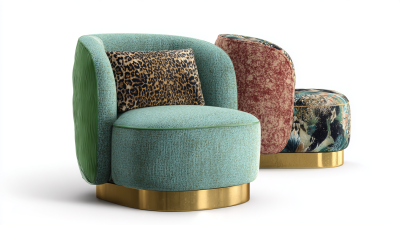
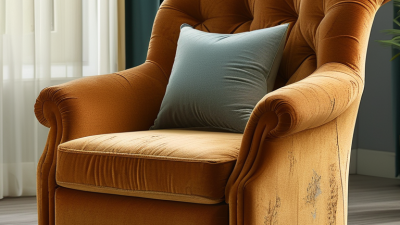
How to Choose the Right Upholstered Chair for Each Room

10 Best Upholstered Chairs for Every Room

How to Choose the Right Upholstered Chair for Each Room

An upholstered chair should fit the room’s work, not merely its empty corner. In living rooms, measure the distance between tables and seating paths. A chair with a 20- to 22-inch seat depth usually supports relaxed sitting without swallowing the space. Leave enough clearance for doors, drawers, and people carrying drinks.

Dining chairs need a firmer seat and a height that meets the table comfortably. Check the distance from the floor to the underside of the table, not just the tabletop height. In bedrooms, a softer chair can create a useful reading spot. Choose a back that supports your shoulders, and place it near a lamp with warm, focused light. Small rooms need slimmer arms.

For a home office, upholstery should allow steady posture rather than encourage sinking. Test the chair for at least ten minutes. Your lower back will notice. In hallways or entryways, select compact frames and durable, easy-clean fabric. Busy homes benefit from tightly woven upholstery, while quiet rooms can handle more delicate textures. Check care instructions before buying. I once chose a beautiful pale chair for a sunny reading nook, then regretted it after noticing fading and coffee marks. Fabric samples help, but they cannot predict every daily habit. Measure twice. Sit before deciding.

10 Best Upholstered Chairs for Every Room - How to Choose the Right Upholstered Chair for Each Room

Rank Chair Style Best Room Recommended Use Typical Overall Size
(W × D × H)
Typical Seat Height Suitable Upholstery Key Comfort Feature What to Check Before Buying Care Level
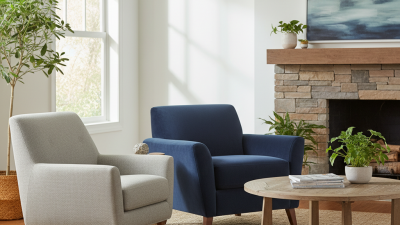
1 Lounge Armchair Living Room Reading, conversation, and relaxed seating 30–34 × 32–36 × 30–34 in 16–18 in Performance fabric, cotton blend, linen blend, or leather Deep seat with broad arms and supportive back cushioning Confirm that the seat is not too deep for the main users and measure doorways. Medium
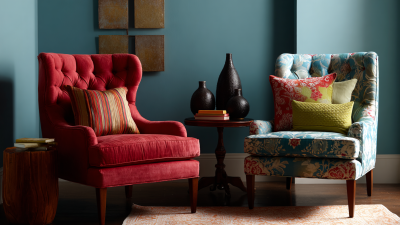
2 Occasional Accent Chair Bedroom or Entryway Extra seating and decorative emphasis 26–31 × 28–32 × 30–35 in 17–19 in Velvet, woven fabric, boucle, or tightly patterned textile Compact frame that adds visual interest without taking much floor space Choose a width that leaves at least 24–30 in of comfortable circulation space. Low to Medium
3 Barrel Chair Living Room or Home Office Conversation seating and short work sessions 28–32 × 28–32 × 28–32 in 17–19 in Woven polyester, microfiber, velvet, or treated leather Curved back and enclosed sides create a supportive, cocoon-like feel Check the seat opening and arm height, especially for taller users. Medium
4 Slipper Chair Small Apartment or Dressing Area Space-saving seating and occasional use 24–28 × 25–30 × 29–33 in 17–19 in Durable woven fabric, linen blend, or stain-resistant polyester Armless design fits efficiently into narrow spaces Look for a firm, well-supported back because the chair has no arms for lateral support. Low to Medium
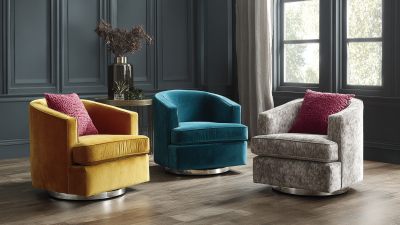
5 Swivel Lounge Chair Home Office or Open-Plan Living Room Flexible viewing, reading, and conversation 28–34 × 30–34 × 30–34 in 16–19 in Performance fabric, microfiber, faux leather, or leather 360-degree rotation improves flexibility and access in shared spaces Allow clearance around the base and verify that the swivel mechanism moves smoothly. Medium
6 Reclining Upholstered Chair Media Room or Family Room Television viewing and extended relaxation 32–38 × 36–40 × 40–44 in upright 18–20 in Performance microfiber, woven polyester, or durable leather Adjustable back and leg support reduce pressure during long periods of sitting Measure both upright and fully reclined depth, and leave space from nearby furniture. Medium
7 Dining Upholstered Side Chair Dining Room Meals, entertaining, and everyday dining 18–22 × 21–25 × 30–35 in 17–19 in Stain-resistant polyester, treated linen blend, or vinyl Firm, upright cushioning supports comfortable dining posture Pair the seat height with a table that is generally 28–30 in high and check arm clearance. Medium to High
8 Upholstered Counter Stool Kitchen Island Breakfasts, casual meals, and kitchen activities 18–22 × 20–24 × 34–40 in 24–26 in Easy-clean polyester, vinyl, faux leather, or treated performance fabric Padded seat with a footrest provides support at counter height Use with a counter approximately 34–36 in high and allow about 24 in per seat. High
9 Tub Chair Bedroom, Nursery, or Reading Corner Quiet reading, dressing, and occasional seating 26–31 × 27–32 × 28–33 in 16–19 in Microfiber, cotton blend, boucle, or stain-resistant woven fabric Continuous curved back and arms provide gentle side support Choose a washable or removable cover for nurseries and high-use bedrooms. Medium
10 Compact Club Chair Library, Study, or Guest Room Reading, writing, and longer seated conversations 27–32 × 29–34 × 30–35 in 17–19 in Wool blend, performance fabric, leather, or tightly woven polyester Structured cushioning and supportive arms offer balanced comfort Select a seat depth of about 20–23 in for a supportive upright posture. Medium
Selection tip: Before purchasing, measure the available floor area, doorway width, table or counter height, and required walking clearance. For busy homes, prioritize removable covers, tightly woven fabrics, and stain-resistant upholstery.

Best Upholstered Chairs for Living Rooms, Bedrooms, and Offices

The 10 best upholstered chairs should match how each room is used, not merely its color. The U.S. Environmental Protection Agency reports that people spend about 90% of their time indoors. That makes fabric choice, support, and cleanability practical health considerations.

For living rooms, choose a deep lounge chair with firm edge support and a seat height near 17 to 19 inches. Performance fabric helps resist coffee marks and daily friction. Test the chair in person if possible. Your knees should sit slightly below your hips. Softer is not always better. A bedroom reading chair needs a compact footprint, a supportive back, and upholstery that feels comfortable against bare arms. A small ottoman can improve posture, though it may become a clothes pile.

Office chairs require stricter evaluation. The Business and Institutional Furniture Manufacturers Association publishes ANSI/BIFMA seating standards covering stability, strength, and durability testing. Look for adjustable seat height, lumbar support, and a five-point base. A chair that looks elegant but forces your shoulders forward will age badly. Measure the desk before buying; a beautiful chair can still fail under a low tabletop.

Check the frame joints, cushion recovery, and underside fabric. Repeated sitting exposes weak construction quickly. For homes with pets, tight weaves usually outperform loose boucle textures. I would still request a swatch. Online photos often soften the color and hide rough fabric. Noise matters too, especially in bedrooms and shared offices. Choose quiet casters or felt pads.

10 Best Upholstered Chairs for Every Room

Typical Overall Width of Upholstered Chair Styles

Overall widths are representative midpoints of commonly published furniture-size ranges and are shown in inches. Compact styles such as slipper and dining chairs generally fit smaller spaces, while club, wingback, and recliner chairs require more room. Always verify the exact measurements before purchasing.

Comparing Chair Styles, Comfort, Durability, and Maintenance

Choosing among ten upholstered chair styles requires more than matching colors. I compared tailored armchairs, slipper chairs, club chairs, barrel chairs, wingback chairs, lounge chairs, dining chairs, swivel chairs, accent chairs, and recliners. Each serves a different room. A deep lounge chair supports reading, while a firm dining chair keeps posture upright. My own preference changed after testing chairs for several hours. Soft padding felt luxurious, but it became tiring without lumbar support.

Durability depends on the frame, joints, foam density, and fabric weave. Look for tested construction and replaceable cushions. ANSI/BIFMA seating standards use repeated-load testing, although real household use can be less predictable. Fabric performance also needs context. Textile Exchange’s Materials Market Report 2024 states that polyester represented 57% of global fiber production. It often resists wrinkles and spills, but natural fibers can feel cooler and age more gracefully. No fabric wins everywhere.

Maintenance should shape the purchase. Removable covers simplify cleaning, while fixed upholstery needs careful vacuuming and professional treatment. Blot spills quickly. Do not scrub them deeper. EPA’s Advancing Sustainable Materials Management report recorded 12.1 million tons of furniture and furnishings in U.S. municipal solid waste in 2018. Longer chair life matters. Still, durability ratings do not predict every home. Pets, sunlight, children, and daily meals expose weaknesses quickly. My ranking remains imperfect, especially where comfort depends on body size and sitting habits.

Placement and Care Tips for Long-Lasting Upholstered Chairs

10 Best Upholstered Chairs for Every Room

An upholstered chair works best when its placement matches the room’s daily habits. In a living room, leave enough space around it for comfortable movement. Keep it near a reading lamp, but not directly beside a heat source. Heat can dry fabric and weaken padding over time. In bedrooms, place chairs away from damp windows and crowded corners. A chair needs breathing room. Dining chairs should sit evenly on the floor, especially on hard surfaces. Uneven legs can strain the frame and feel unstable.

Tips: Rotate cushions weekly, if the design allows. Vacuum seams and edges with a soft brush attachment. Blot spills immediately with a clean, dry cloth. Do not rub them deeper into the fabric. Test any cleaning solution on a hidden area first. Check the care label before using water or detergent.

Different fabrics need different routines. Natural fibers may absorb stains quickly, while tightly woven synthetic fabrics often resist everyday marks. Still, no upholstery is completely stain-proof. I once delayed cleaning a small coffee spot, and it became a faint ring. That mistake taught me to act sooner. Avoid sitting on one arm or dragging the chair across the floor. Lift it with help instead. Inspect loose threads, wobbly legs, and flattened cushions every few months. Early repairs usually cost less and preserve the chair’s comfort.