10 Tips for Buying Magnesium Oxide Powder?
Buying Magnesium Oxide Powder can look simple until specifications, testing, and supplier claims begin to differ. A white powder may appear identical in two bags, yet its purity, particle size, reactivity, and moisture content can vary considerably. These differences affect storage stability, processing behavior, and final product performance. The right purchase starts with a clear understanding of your application, required grade, and acceptable quality range.
This guide presents ten practical tips for evaluating Magnesium Oxide Powder with greater confidence. It considers chemical composition, assay methods, particle distribution, packaging, certificates of analysis, and batch consistency. Supplier experience also matters, especially when documentation is incomplete or technical answers remain vague. Ask for recent test results, not only a polished product brochure. Verify important data through independent testing when the material is critical to production. It costs more, sometimes.
Real purchasing decisions also involve lead times, minimum order quantities, transport conditions, and regulatory requirements in your market. A supplier may offer an attractive price but provide weak traceability or inconsistent packaging. That bargain can become expensive after rejected batches, clogged equipment, or delayed deliveries. No checklist removes every risk. However, careful questions and documented comparisons can expose problems before payment. The following tips are designed to support a more reliable, evidence-based buying decision.
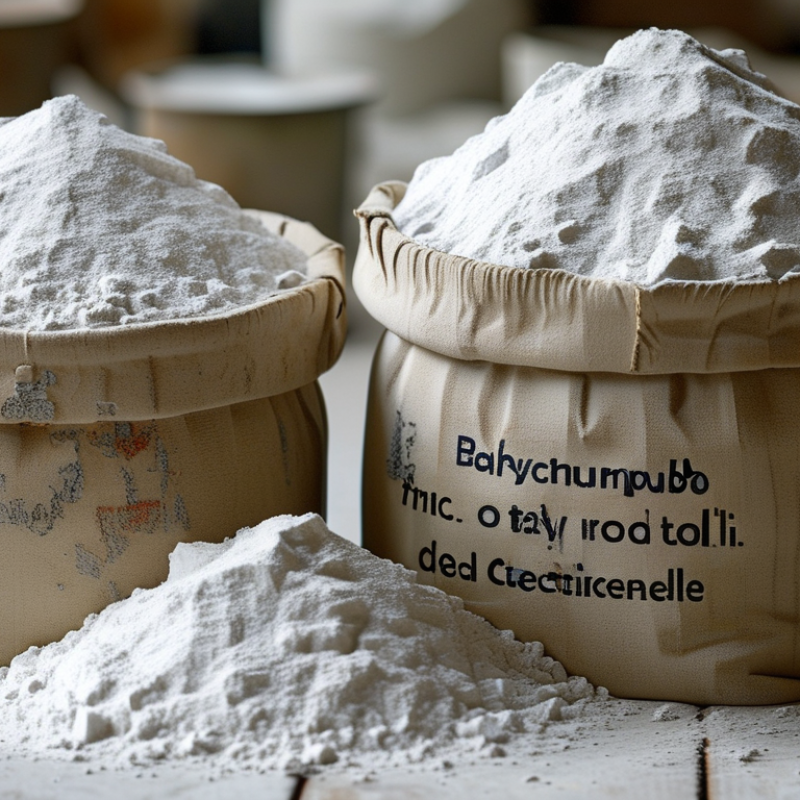
Understand Magnesium Oxide Types, Grades, and Common Applications
10 Tips for Buying Magnesium Oxide Powder
Magnesium oxide is not one uniform product. Check its source and processing route. Caustic-calcined magnesia offers higher reactivity, while dead-burned magnesia supports refractory linings. Fused magnesia provides very high purity and thermal stability. Tip one: match the type to the application. Tips two and three: confirm the grade and required MgO assay. Feed, technical, agricultural, and pharmaceutical grades have different specifications. Never treat a high assay as proof of suitability. Particle size matters. Fine powder reacts faster, while coarse material may improve handling. Ask for sieve data and bulk density.
The USGS Mineral Commodity Summaries 2024 estimated global magnesite mine production at about 27 million metric tons in 2023. China supplied roughly 19 million tons. This concentration makes origin, continuity, and traceability important purchasing checks. Tip four: request a recent certificate of analysis. Tip five: compare loss on ignition, calcium, silica, iron, and heavy-metal limits. Tip six: verify moisture and packaging integrity. A torn bag can ruin otherwise acceptable powder.
Applications should guide the final decision. Water-treatment users often need predictable reactivity and particle size. Agriculture buyers may prioritize neutralizing value and approved contaminants. Refractory producers usually focus on purity, density, and thermal performance. Tip seven: request a sample. Tip eight: test it in your process. Tip nine: review batch consistency. Tip ten: confirm storage life and transport conditions. I have seen purchasing decisions focus too heavily on price. That is understandable, but incomplete. A cheaper powder may create slower reactions, more dust, or costly formulation changes. Controls should be practical, documented, and independently checked.