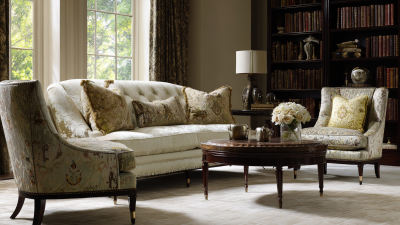
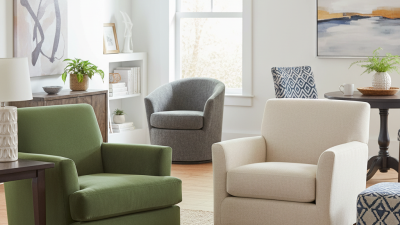
As we delve into the realm of upholstered furniture, expert designer Sarah Thompson notes, "Comfort and style must coexist in modern design." This statement captures the essence of the evolving trends for 2026. The upholstered furniture industry is experiencing an exciting transformation, driven by consumer demand for aesthetics and functionality.
In recent years, sustainability has become a key focus. Many brands prioritize environmentally friendly materials and practices. Textures and hues are also shifting. Bold colors and unique patterns are gaining popularity, attracting those who seek to express individuality in their spaces. Additionally, the adaptation of multi-purpose designs highlights the need for functionality in smaller living environments.
However, there are challenges. As trends evolve, manufacturers must balance innovation with traditional craftsmanship. Consumer expectations rise alongside the demand for quality. The upholstered furniture market must navigate these complexities to remain relevant. Observing these changes offers unique insights into future possibilities for both consumers and industry professionals.
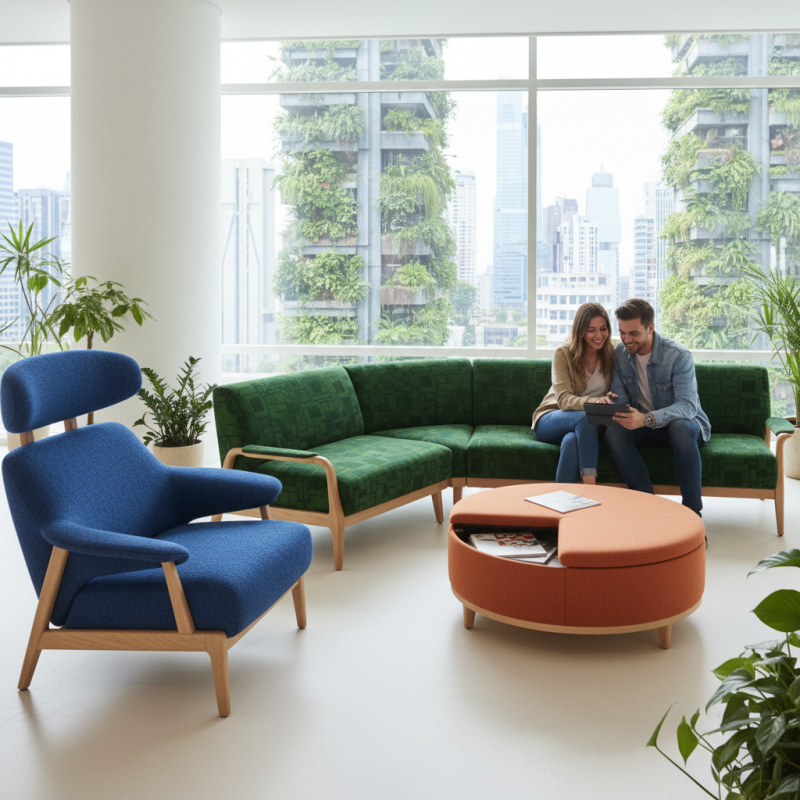
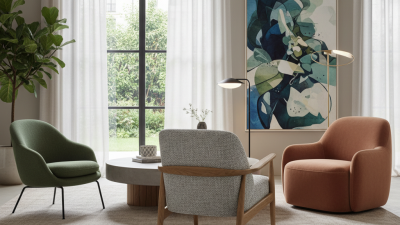
In 2026, the world of upholstered furniture will experience a vibrant shift in color palettes. Designers are moving towards earthy tones that create tranquil spaces. Shades like terracotta, olive green, and warm beige are trending. These colors evoke a sense of nature and harmony. They invite relaxation and comfort into any room.
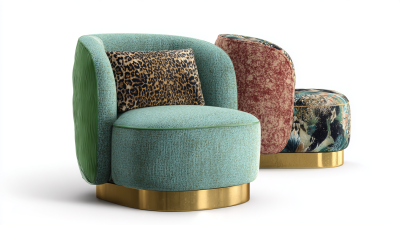
Another significant trend is the growing popularity of bold, unexpected hues. Deep blues and rich burgundies add drama and sophistication. These colors allow for self-expression and personality in home decor. Expect to see a mix of these shades for a balanced look. The combination of earthy and bold shades creates a dynamic visual appeal.
However, not every color will resonate with every buyer. Some might find the deep hues overwhelming. Others may seek only the calming tones. Understanding personal preferences is essential. Balancing trends with individual style requires reflection. The right choice will enhance the beauty of the space.
| Trend | Color Palette | Key Influences | Material Preferences |
|---|---|---|---|
| Sustainable Designs | Earthy Tones | Eco-conscious consumer demand | Recycled Fabrics |
| Multifunctional Furniture | Soft Neutrals | Urban living trends | Lightweight Materials |
| Vintage Revival | Bold Jewel Tones | Nostalgic appeal | Velvet and Chenille |
| Smart Furniture Technology | Cool Grays | Tech integration in living spaces | Synthetic Composites |
| Customizable Options | Pastel Hues | Personalization trend | Modular Components |
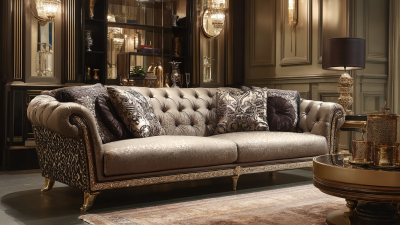
As the demand for upholstered furniture continues to rise, sustainability has taken center stage. Eco-friendly materials are reshaping upholstery choices, with a notable increase in the use of recycled fabrics and natural fibers. According to a recent industry report, approximately 70% of consumers prefer sustainable materials when purchasing furniture. This trend reflects a growing consciousness about environmental impact and a desire for healthier living spaces.
Many producers are exploring innovative textiles, such as organic cotton, hemp, and recycled polyester. These materials not only appeal to eco-conscious buyers but also offer durability and style. However, the transition to sustainable materials is not without challenges. Many consumers are still unsure about the long-term viability of these options. It’s essential to educate buyers on these benefits to ensure they make informed purchasing decisions.
Tip: When choosing upholstered furniture, look for certifications like GOTS or Oeko-Tex. These ensure that materials meet environmental and safety standards.
Sustainability goes beyond materials. Production processes must also be examined. Manufacturers are investing in more efficient methods, reducing waste, and relying on renewable energy sources. Yet, some companies may greenwash their products. Transparency is crucial. Always inquire about sourcing and manufacturing practices.
Tip: Don’t hesitate to ask retailers for detailed information on their sustainability claims. Informed choices lead to more responsible shopping.
Innovative designs in upholstered furniture focus on shapes and textures that enhance modern interiors. Curved lines and organic forms are becoming popular. These shapes invite relaxation and create a softer atmosphere. Sofas and chairs with rounded edges are not just aesthetically pleasing; they also encourage a more inviting space. Textures play a vital role as well. Fabrics like bouclé and velvet offer warmth and depth, adding character to living spaces.
Colors are shifting towards earthy tones and muted pastels. These hues create a calm environment, contrasting with the bold patterns of previous years. Mixing textures is essential. Combining smooth leather with plush fabrics can add visual interest. However, some may find it challenging to balance these elements. It's an ongoing process of experimentation and adjustment.
Sustainability remains a key consideration. Natural materials are favored, but sourcing them can be tricky. Buyers seek quality but face dilemmas over production methods. The journey towards finding the perfect piece should reflect personal style and values. The exploration of shapes and textures transforms spaces, but it requires thoughtful choices and mindfulness.
Smart features in upholstered furniture are set to transform the industry in 2026. As consumers increasingly seek convenience, new technology integrates with design. For instance, upholstery that adjusts firmness via an app is gaining traction. Imagine a sofa that conforms to your preferred comfort settings. This combination of technology and comfort presents a fresh perspective on home living.
Consider the impact of sound integration. Some upholstered pieces now come with built-in speakers. This feature allows for seamless entertainment. You can listen to music without the need for additional devices. Such innovations reflect a shift towards multifunctional furniture. While these features are exciting, potential downsides exist. Reliability and durability may vary based on materials used.
Tips: When selecting smart upholstered furniture, prioritize compatibility with existing devices. Ensure user interfaces are intuitive. Test the furniture to confirm it meets comfort needs. A perfect blend of function and style should enhance, not complicate your living space. As trends evolve, thoughtful choices can lead to a more enjoyable home environment.
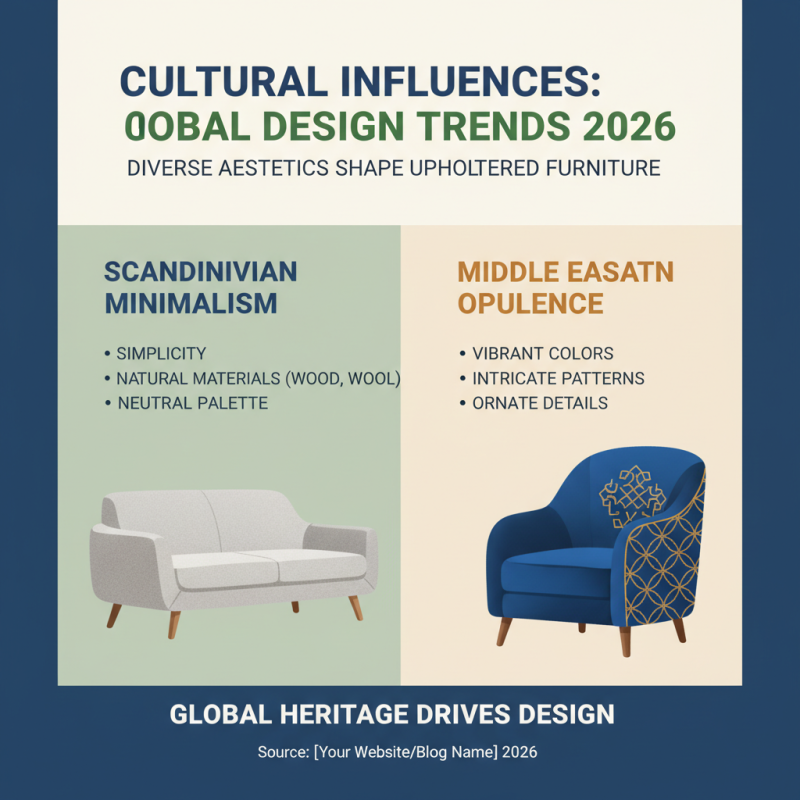
Cultural influences play a pivotal role in shaping upholstered furniture design trends. As we approach 2026, an appreciation for diverse aesthetics is evident. Global buyers are drawn to pieces that reflect their heritage. For example, Scandinavian minimalism embraces simplicity, focusing on natural materials. In contrast, Middle Eastern designs often showcase vibrant colors and intricate patterns, creating an ornate look.
The rise of sustainable practices is another crucial trend. Many cultures prioritize eco-friendly materials in their furniture choices. This reflects a shift toward responsible consumption. Consequently, upholstery fabrics now incorporate organic, recycled options that are both stylish and sustainable. However, the global challenge remains: aligning traditional craftsmanship with these modern needs. Some artisans struggle to adapt their age-old techniques to meet contemporary demands without losing authenticity.
Moreover, the influence of travel and social media cannot be underestimated. Buyers now have access to global inspirations. Influencers and designers share unique styles that resonate with various audiences. However, there's a risk of oversaturation, which can dilute distinct cultural elements. Creating furniture that honors cultural roots while meeting modern expectations is a delicate balance. This evolving landscape encourages reflection on how we approach design globally.