Choosing the right upholstered sofa is more than matching fabric to a living room palette. It affects comfort, posture, cleaning routines, and daily movement. A sofa may look elegant under showroom lighting, yet feel too firm after twenty minutes at home.
This guide explores seven practical tips for making a more confident choice. It considers frame construction, cushion support, fabric durability, sofa dimensions, and long-term maintenance. Small details matter. Seat depth can change how easily someone stands. Tight seams may suggest careful workmanship, while loose threads deserve closer inspection. Measuring doorways, stairwells, and wall space can prevent an expensive delivery mistake.
Reliable decisions should combine hands-on observation with trustworthy information. Sit in the upholstered sofa before buying, if possible. Check whether the cushions recover their shape after pressure. Review the manufacturer’s material specifications, warranty terms, and care instructions. Independent customer feedback can reveal issues that showroom visits hide, such as pilling, uneven cushions, or difficult cleaning.
Still, no checklist is perfect. Personal comfort differs, and even high-quality materials can age in unexpected ways. A pale performance fabric may resist spills but show dust quickly. A deep sofa may feel luxurious but become awkward in a compact room. These trade-offs deserve honest attention. The goal is not to find a flawless sofa. It is to choose one that suits the room, the household, and the realities of everyday use.
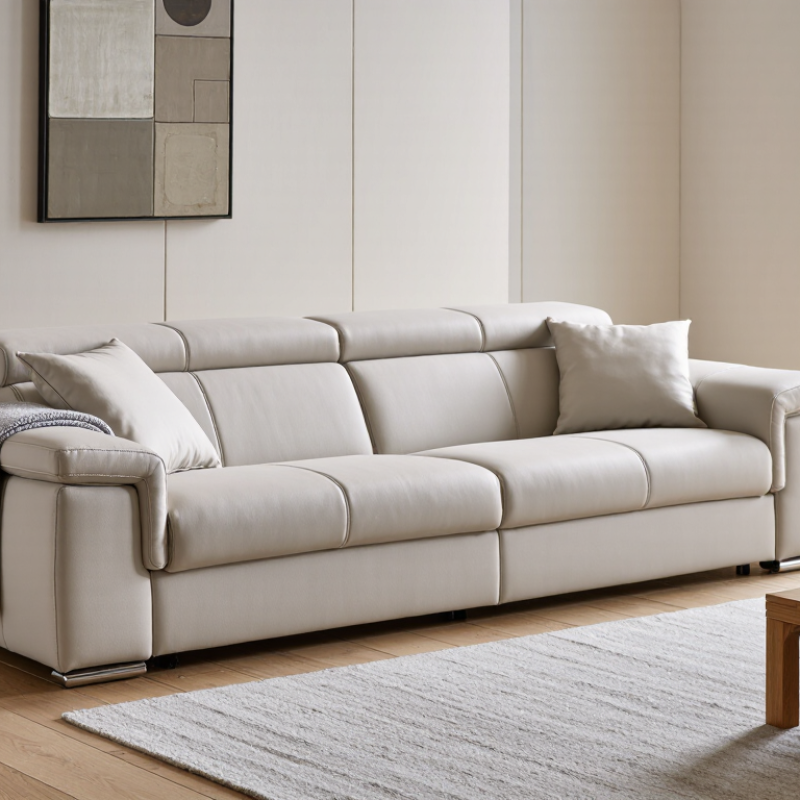
7 Tips for Choosing the Right Upholstered Sofa
Define Your Space, Lifestyle, and Sofa Requirements
Measure the room before visiting a showroom. Record wall length, doorway width, stair turns, and radiator positions. A beautiful sofa is useless if delivery becomes impossible. Leave clear walking space around tables and doors. Mark the sofa footprint with masking tape. Sit inside the outline for a few minutes. The shape may feel larger than expected.
Match the sofa to daily habits. Families may need dense, resilient upholstery and removable covers. Pet owners should inspect tightly woven fabrics for snag resistance. If you read at night, choose supportive arms and a comfortable seat angle. Deep cushions feel luxurious, but shorter users may lose back support. I once preferred a low, deep sofa, then noticed my feet rarely touched the floor. Comfort needs testing, not guessing. Try sitting upright and reclining.
Examine construction details carefully. Check whether cushions recover after pressure and whether the frame feels stable. Ask about cleaning instructions, fabric performance, and replacement cushion availability. Light colors reveal crumbs quickly. Dark textures can hide them better, but they may show dust. Consider sunlight, too. Strong windows can fade some upholstery over time. Measure the entrance again before ordering. I have seen careful room plans fail at the final doorway. A little doubt here is useful.

Use these common planning ranges as a starting point when comparing upholstered sofas. Measure your room, entrances, and preferred seating position, then confirm the exact dimensions, fabric-care needs, and construction details for each sofa.
How to use the chart: Check the sofa’s overall size against your room and doorway, then evaluate seat height, seat depth, and personal seating width for comfort. Leave adequate walkway space and choose upholstery and cushion materials that match your household’s daily use.
A sofa frame determines how well the piece handles daily movement. Sit down, shift your weight, and listen for creaks. A sturdy frame should feel quiet and stable. Look for kiln-dried hardwood, reinforced corners, and tightly joined rails. Screwed and glued joints usually offer better support than staples alone. Lift one front corner slightly; excessive twisting may indicate weak construction. This simple test is useful, though it cannot replace checking the manufacturer’s specifications.
Cushion fillings change both comfort and maintenance. High-resilience foam gives consistent support and usually recovers quickly. Feather or down feels softer, but it needs regular plumping and may flatten unevenly. Fiber filling feels welcoming at first, yet it can lose loft sooner. Try sitting in the same position for several minutes. Notice whether your hips sink too deeply or your back loses support. I once chose a very soft cushion and regretted it after a month. Comfort in a showroom can be misleading. Check cushion zippers and ask whether the covers are removable.
Upholstery fabric should match the room’s actual workload. A tightly woven fabric can resist snagging in busy homes. Performance blends often handle spills better, but they may feel less natural. Check the abrasion rating, colorfastness, and cleaning instructions before deciding. Dark fabrics can hide stains, while pale fabrics reveal dust quickly. Rub the sample gently and inspect its weave. Request a larger swatch if possible. Small samples rarely show how texture changes across a full sofa. Pay attention to direct sunlight, pets, children, and your own cleaning habits.
| Tip | Decision Area | Options to Compare | Typical Performance | Best For | What to Check Before Buying |
|---|---|---|---|---|---|
| 1 | Choose a strong frame |
Kiln-dried hardwood: stable and resistant to warping. Furniture-grade plywood: layered construction with good strength. Particleboard: generally less resistant to moisture and repeated stress. |
A hardwood or quality plywood frame usually offers better long-term structural stability than lower-density board. | Daily-use sofas, family rooms, and homes where the sofa will be moved or used frequently. | Ask whether the frame is kiln-dried, inspect accessible joints, and look for corner blocks, screws, dowels, or reinforced joinery rather than staples alone. |
| 2 | Compare suspension systems |
Eight-way hand-tied springs: individually secured coils with flexible support. Sinuous springs: continuous S-shaped steel wires. Webbing: elastic bands stretched across the frame. |
Spring quality, spacing, wire gauge, and attachment method affect support more than the system name alone. | Choose firmer spring support for frequent sitting; well-tensioned webbing can suit lighter-use or contemporary designs. | Sit across the entire seat, listen for squeaks, and check whether the support feels even without sagging or excessive bouncing. |
| 3 | Match cushion filling to comfort needs |
High-resilience foam: supportive and shape-retaining. Foam with fiber wrap: softer surface with good everyday support. Down or feather blend: plush and moldable, but needs regular fluffing. Polyester fiber: soft and economical, but may compress sooner. |
Seat foam around 1.8–2.5 lb/ft³ (approximately 29–40 kg/m³) is commonly used for supportive residential seating; higher density is not the only measure of comfort. | Foam suits structured seating; feather blends suit relaxed seating; fiber is suitable when a lower initial cost is important. | Ask for the foam density, core construction, fill percentage, and whether the cushions can be removed and refilled. |
| 4 | Consider cushion construction |
Attached cushions: stay in place and create a neat appearance. Loose cushions: can be rotated, removed, and cleaned more easily. Reversible cushions: allow both sides to share wear. |
Loose and reversible cushions can distribute wear, while attached cushions reduce movement and require less daily adjustment. | Loose cushions work well for casual lounging; attached cushions suit tidy rooms and users who prefer minimal maintenance. | Check zipper quality, cushion fit, seam alignment, refill access, and whether seat and back cushions can be rotated. |
| 5 | Select a practical upholstery fabric |
Polyester or performance blends: generally durable and easy to maintain. Microfiber: tightly woven with a soft hand and relatively good stain resistance. Cotton or linen: breathable and natural-looking, but more prone to wrinkling or staining. Wool: resilient and naturally soil-resistant, but usually higher priced. |
Fiber content, weave, backing, color, and finishing treatment all influence durability; no single fiber is best for every household. | Performance blends and microfiber are practical for busy households; natural fibers suit low-traffic rooms and design-focused interiors. | Request the fabric content, cleaning code, warranty terms, and a large sample to test texture, color, and visible wear. |
| 6 | Use abrasion ratings carefully |
Wyzenbeek: reported in double rubs. Martindale: reported in cycles. These tests measure abrasion resistance under laboratory conditions, not overall fabric quality. |
A residential fabric rated around 15,000–30,000 double rubs or approximately 20,000–40,000 Martindale cycles is often considered suitable for regular home use, subject to the test method and manufacturer guidance. | Use the rating to compare fabrics tested by the same method, especially for high-use seating. | Confirm the test standard, test direction, backing, and whether the rating applies to the finished upholstery rather than only the base cloth. |
| 7 | Check fit, function, and maintenance |
Seat depth: approximately 20–24 in (51–61 cm) often suits general lounging. Seat height: approximately 17–19 in (43–48 cm) is common for residential sofas. Cleaning: follow the fabric code and care instructions. |
Deeper seats support relaxed lounging; shallower seats make it easier to sit upright. Comfort depends on body size, cushion firmness, and back angle. | Choose dimensions based on the primary users, room layout, doorway access, pets, children, and cleaning habits. | Measure the room, doorways, elevators, and stairways; verify removable covers, stain-care instructions, leg clearance, and replacement cushion availability. |
Before choosing an upholstered sofa, measure the room carefully. Record the wall length, ceiling height, doorway width, and stairway clearance. A sofa may fit the living room but fail at the entrance. Measure every turn, especially in narrow hallways. Do not rely on visual estimates. They often mislead.
Use painter’s tape to mark the sofa’s expected footprint on the floor. Leave at least 30 inches for main walkways, where possible. Allow space for doors, drawers, vents, and nearby tables. Check the sofa’s full depth, including cushions and reclining mechanisms. A deep frame can reduce walking space quickly. Keep several inches between the sofa and heating equipment.
I once measured only the wall and overlooked a low window ledge. The sofa fit, but the back covered part of the window. That mistake changed the room’s light and made the fabric feel cramped. Now I create a simple cardboard outline before ordering. It reveals awkward proportions better than a product image. Ask for the actual packaged dimensions, not just the assembled size. Also confirm whether the legs arrive separately. Small details matter. A professional furniture installer can identify access problems before delivery, but their advice still depends on accurate measurements. Recheck your numbers after moving existing furniture. Rooms rarely behave like empty floor plans.
Tip 1: Test the sofa before buying it. Sit for at least ten minutes, not just a few seconds. Your knees should bend comfortably, while your feet rest firmly on the floor.
Tip 2: Check the support beneath the cushions. High-quality suspension should feel stable, not springy or uneven. I once chose a beautiful sofa with weak back support. It looked inviting, but long conversations became uncomfortable.
Tip 3: Press the cushions and inspect their recovery. Dense foam or well-filled cushions usually keep their shape longer. However, softer fillings may feel more welcoming at first. Comfort is personal, so do not trust appearance alone.
Tip 4: Examine the frame and joints. Kiln-dried hardwood and reinforced corners often provide dependable strength. Gently shift the sofa; excessive movement may reveal poor construction. Small details matter.
Tip 5: Match the upholstery to your daily routine. Tightly woven fabric can resist ordinary abrasion, while loose textures may catch on pets’ claws.
Tip 6: Ask about cleaning instructions before purchasing. Look for clear care codes and removable covers when possible. Spills happen. Pretending otherwise is not practical. I prefer fabrics that allow quick blotting with a clean, dry cloth, though even these can stain if ignored.
Tip 7: Consider maintenance realistically. A pale sofa may require frequent vacuuming in a busy household. Review cushion rotation, sunlight exposure, and professional cleaning needs. My first choice was based too heavily on color. That judgment was flawed. Think about how the sofa will age in your actual room.
Choosing an upholstered sofa requires more than judging its color and silhouette. Construction quality determines how well it survives daily use. I inspect the frame, looking for kiln-dried wood, reinforced corners, and securely attached joints. A heavy frame usually feels more stable, but weight alone proves little. Sit on every seat and listen for creaking. Notice whether the cushions recover after you stand.
Price should reflect materials, workmanship, and expected lifespan. Compare itemized specifications instead of comparing tags alone. Higher-density foam, resilient webbing, and removable covers may justify a higher cost. Still, expensive does not automatically mean better. I once trusted a polished showroom appearance and overlooked uneven stitching. That mistake changed how I evaluate furniture. Ask about cushion replacement costs and fabric cleaning requirements before paying.
Read the warranty carefully, including exclusions, claim procedures, and coverage periods for the frame, springs, fabric, and cushions. Keep receipts and photograph defects when the sofa arrives. Delivery also deserves close attention. Measure doorways, elevators, stair turns, and the final room before ordering. Confirm whether delivery includes unpacking, assembly, packaging removal, or an extra fee for difficult access. Inspect seams, legs, and upholstery before signing. A small tear can become a costly dispute if it remains undocumented.