7 Tips for Choosing a Reliable Plush Toys Factory?

Choosing a reliable Plush Toys Factory is not merely a price comparison. It is a risk-management decision involving safety, materials, production consistency, and communication.

Grand View Research’s Stuffed and Plush Toys Market Size, Share & Trends Analysis Report identifies continued growth in demand for plush products, supported by children’s gifting, licensed characters, and collectible designs. The Toy Association’s 2024 industry reporting also shows that consumers increasingly value quality, emotional appeal, and trusted product experiences. These trends create opportunity, but they also raise expectations for manufacturers.

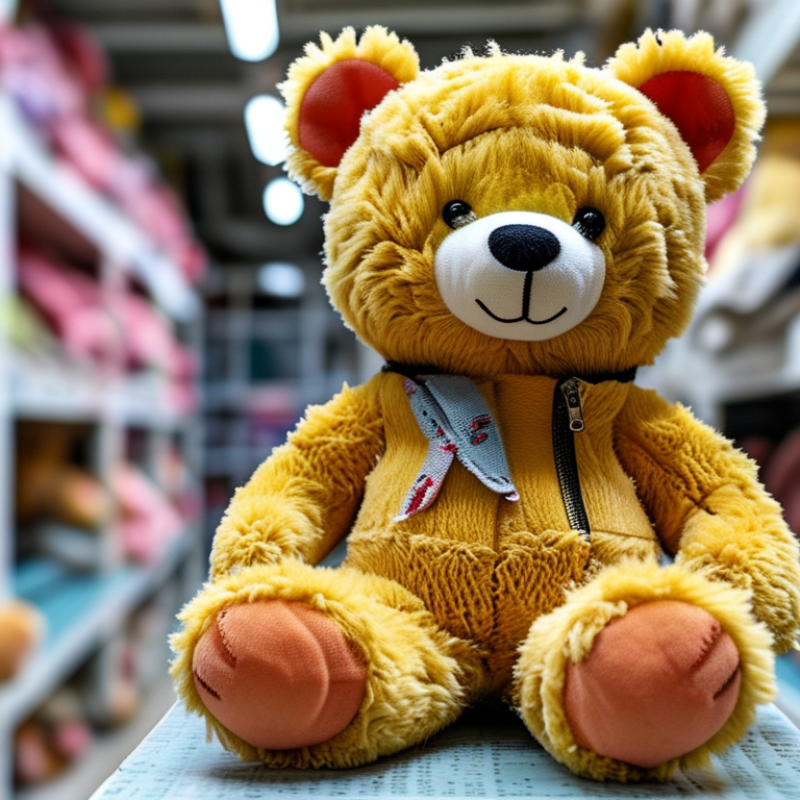
A soft bear may look excellent in a sample room. Its stitching can still loosen after repeated handling. A bright fabric may fade. A hidden zipper may contain rough edges. Small details matter.

Reliable sourcing requires more than factory photographs. Buyers should examine material traceability, sample accuracy, quality-control procedures, production capacity, and testing documentation. Relevant standards may include ASTM F963 in the United States and EN 71 in the European market, depending on the product and destination. Independent laboratory testing remains important because factory declarations alone may not reveal every risk.

No factory is perfect. The more useful question is how openly it identifies weaknesses and corrects them. A dependable supplier should explain its inspection stages, defect thresholds, corrective actions, and delivery controls without avoiding difficult questions. Audited quality systems, clear records, and responsive communication provide stronger evidence than impressive claims.

The following seven tips offer a practical framework for comparing suppliers. They focus on verifiable capability, responsible production, and long-term cooperation. Be careful with unusually low quotations. They may reflect genuine efficiency, or they may hide compromises that appear only after mass production.
7 Tips for Choosing a Reliable Plush Toys Factory?

Define Your Plush Toy Requirements and Quality Standards

Define Your Plush Toy Requirements and Quality Standards

A reliable factory cannot quote accurately from a vague idea. Write a product brief before requesting samples. Include dimensions, fabric composition, filling weight, colors, stitching density, embroidery details, packaging, and intended age group. Add measurable tolerances, such as a two-millimeter size range or a minimum seam strength.

Market data supports this discipline. Grand View Research estimated the global stuffed and plush toys market at about USD 7.5 billion in 2023. Growth increases competition, but it also increases quality risks. A factory may present a soft sample while using cheaper fabric in production. I have seen this happen.

Request a material specification sheet and a pre-production sample. Check shedding, odor, loose threads, seam gaps, and small detachable parts. Ask for test records relevant to the destination market, including ASTM F963-23, EN 71, or CPSIA requirements. The U.S. Consumer Product Safety Commission reported approximately 231,000 toy-related injuries treated in emergency departments during 2023. Safety cannot remain a verbal promise.

Define inspection points in writing. Measure stuffing recovery after compression, compare color under standard lighting, and inspect ten random units from each batch. Require photographs before shipment, but do not rely on photographs alone. Screen images can hide uneven embroidery and thin fabric. That weakness deserves attention. A practical quality agreement should explain sampling levels, defect categories, corrective actions, and approval responsibilities.

Verify the Factory’s Experience, Certifications, and Production Capacity

A reliable plush toys factory should prove its experience, not merely claim it. Ask how many years it has produced plush toys and which product types it handles regularly. Request recent samples, production photos, and verifiable trade references. A factory that understands stitching strength, fabric shedding, stuffing density, and child-safe details can explain its process clearly.

Certifications need careful checking. Ask for current copies, issuing organizations, covered products, and expiry dates. Testing reports should match the exact materials and toy designs you plan to order. Generic documents are not enough. Verify quality systems, material traceability, needle control, and final inspection records. A factory may hold a quality certificate while its daily controls remain weak.

Production capacity also deserves evidence. Walk through the cutting, sewing, stuffing, embroidery, and packing areas, in person or by live video. Compare the claimed monthly output with worker numbers, machine capacity, warehouse space, and previous delivery records. Request a production schedule for peak seasons. Promises can be optimistic. I have seen impressive samples hide inconsistent stitching in larger batches. A small pilot order, with agreed inspection points, often reveals more than a polished presentation. Ask what happens when defects appear. The answer shows practical reliability.

Evaluate Materials, Safety Testing, and Quality Control Procedures

Choosing a reliable plush toys factory starts with materials, not attractive product photos. In factory audits, I inspect fabric, filling, thread, dyes, and small decorative parts. Softness matters, but fiber shedding and odor matter too. Ask for material specifications and batch records. A trustworthy supplier can explain material sources and substitution controls. I once focused too much on stitching appearance. That was a mistake. A toy may look perfect while its filling density varies.

Safety testing should match the toy’s design, age range, and selling market. Request current reports from qualified, independent laboratories. Check flammability, mechanical hazards, chemical limits, and color transfer when relevant. Do not accept a certificate without checking the product reference and test date. Samples should represent regular production, not a specially prepared unit. Ask how failed results are corrected. Vague answers deserve caution. Testing alone is not enough.

Quality control must continue from incoming materials to final packing. Look for written inspection points, needle detection, seam-strength checks, and measurements against approved samples. Ask to see defect records, corrective actions, and pre-shipment inspection procedures. A factory should isolate rejected goods and trace production batches. During a visit, observe whether workers follow the process. Procedures on paper can be impressive. Reality can be uneven. I would also order a small trial run before committing to volume. This step costs time, yet it reveals packing errors, loose threads, and inconsistent stuffing that documents may miss.

7 Tips for Choosing a Reliable Plush Toys Factory

Recommended evaluation weighting for materials, safety testing, and quality control

Use this practical 100-point framework when comparing factories. Confirm that materials are documented and traceable, request test reports against applicable requirements such as ASTM F963, EN 71, ISO 8124, or CPSIA, and verify that the factory has documented inspections, batch records, corrective actions, and final product checks.

Review Samples, Customization Options, and Manufacturing Capabilities

7 Tips for Choosing a Reliable Plush Toys Factory?

A reliable plush toys factory should prove its abilities through physical samples, not polished promises. Ask for samples with even filling, secure eyes, neat stitching, and clean embroidery. Press the toy gently. It should recover without lumps or loose seams. Compare every sample with the approved size chart and design drawing. Small differences can affect packaging, safety checks, and shelf appearance. Request samples from different production stages when possible. One perfect prototype may hide inconsistent factory work. I would not treat a single excellent sample as enough evidence.

Customization requires more than selecting fabric colors. Ask whether the factory supports pattern development, material sourcing, color matching, embroidery, printing, labels, and packaging. Confirm which processes happen in-house and which are subcontracted. For children’s products, request material documents and applicable safety test reports. Review the factory’s quality checkpoints, including incoming fabric inspection, filling checks, seam inspection, and pre-shipment review. Manufacturing capability also matters. Check its monthly capacity, minimum order quantity, equipment, lead times, and ability to repeat the same design accurately. A factory may offer many options but lack skilled workers for detailed shapes. That weakness often appears around ears, paws, or embroidered faces. Keep asking for measurable answers, because friendly communication alone cannot verify production reliability.

Compare Pricing, Communication, Lead Times, and After-Sales Support

A reliable plush toy factory should offer more than the lowest quotation. Request a line-by-line price sheet covering fabric, stuffing, embroidery, packaging, sampling, and shipping. Compare the landed cost, not only the unit price. A very cheap quote may hide weak materials or later tooling fees. McKinsey’s global supply-chain survey found that 93% of leaders adopted resilience measures after major disruptions. Price stability matters.

Test communication before placing a large order.

Send technical drawings, size charts, safety requirements, and packaging details. Measure reply speed and accuracy. Can the factory explain fabric weight, color tolerance, and sample changes clearly? Use one shared specification file. Keep written approvals. Small misunderstandings become expensive quickly. I would not trust perfect promises without production photos, inspection records, and clear escalation contacts.

Lead time should include sampling, material purchasing, production, inspection, and transport. Ask for a milestone schedule, then check whether the factory reports delays early. The 2023 World Bank Logistics Performance Index assessed 139 economies on customs, infrastructure, tracking, and timeliness. Those factors can affect delivery beyond the factory floor. After-sales support also needs detail: defect definitions, replacement procedures, response deadlines, and evidence requirements. ISO 2859-1 sampling practices can support consistent inspections, but they do not replace communication. My own review would include one small trial order. It may feel slower, but an untested large order is usually the costlier mistake.