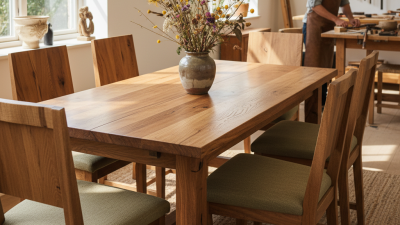
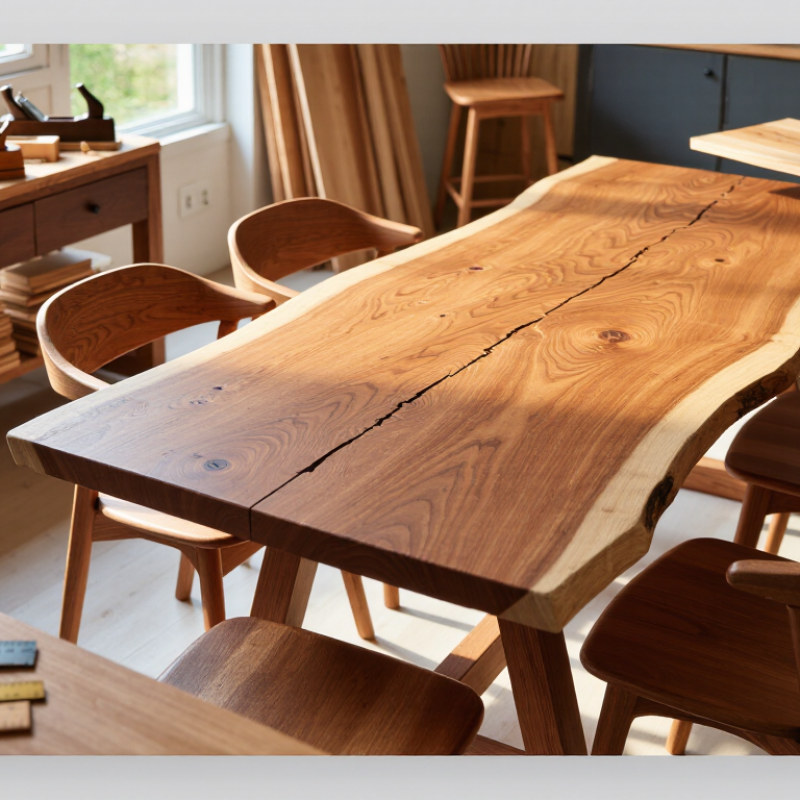
Handmade furniture is returning to the center of thoughtful interior design. It is shaped by skilled hands, measured tools, and often slower decisions. A maker may plane an oak board until its grain feels warm beneath the fingertips. Small variations remain visible. They are not manufacturing errors; they show human involvement.
The market is growing, although available data requires careful reading. Grand View Research valued the global furniture market at approximately $516.66 billion in 2023. It forecasts a compound annual growth rate of 5.7% from 2024 to 2030. These figures cover all furniture, not handmade furniture alone. That distinction matters. Meanwhile, the 2023 U.S. Houzz & Home Study reported continued homeowner investment in renovation projects, supporting demand for distinctive, durable pieces. Consumers increasingly ask where products were made, which materials were used, and whether repairs are possible.
Craftsmanship has a deeper purpose than decoration. Furniture maker and architect George Nakashima wrote, “The tree is the first of the craftsman’s materials.” His words explain the relationship between material, maker, and owner. A handmade table can reveal knots, tool marks, and subtle asymmetry. It may also cost more and require patience. That is the honest part.
Not every handmade claim is equally reliable. Buyers should check the maker’s process, wood sourcing, construction details, and aftercare policy. Look beneath the finish. Open the drawers. Ask questions. Handmade furniture is popular because it offers character, traceability, and longevity in a disposable market. Its appeal is emotional, but its value should still be judged through evidence.
What Is Handmade Furniture and Why Is It So Popular?
Handmade furniture is made through substantial human involvement, not simply stamped with a handmade label. A craftsperson selects timber, shapes components, cuts joints, and applies the finish. Small tools may sit beside modern machinery. The process matters.
Its core characteristics include limited production, visible workmanship, material traceability, and practical customization. A handmade table may show slight grain differences, softened corners, or tiny variations in its dovetail joints. These details are not always defects. They can record the maker’s decisions and the material’s natural behavior. Still, “character” should not excuse poor alignment, unstable legs, or unsafe finishes. That distinction deserves more attention.
The market context helps explain its appeal. Grand View Research valued the global furniture market at approximately 516.6 billion dollars in 2022 and projected continued growth through 2030. Its report covers the wider furniture sector, not handmade products alone. That limitation matters. Meanwhile, PwC’s 2024 Voice of the Consumer Survey found that consumers were willing to pay an average premium of 9.7% for sustainably produced or sourced goods. Handmade furniture can support this preference through repairable construction, local production, and clearer material origins, although not every workshop operates sustainably. A solid oak chair with visible hand-sanded edges feels different from a disposable substitute. Yet craftsmanship should be judged by durability, honest sourcing, and useful design—not romantic storytelling alone.
| Dimension | Handmade Furniture | Typical Factory-Made Furniture | Why the Difference Matters |
|---|---|---|---|
| Definition | Furniture made substantially through the skills and direct work of an individual craftsperson or small workshop. | Furniture manufactured through standardized industrial processes, often in larger production batches. | Handmade construction emphasizes individual workmanship, while factory production emphasizes repeatability and scale. |
| Production Process | May include hand measuring, cutting, shaping, joinery, sanding, finishing, and final inspection. | Usually relies on specialized machinery, templates, automated equipment, and standardized assembly procedures. | More hands-on work can create visible variations and allows adjustments during construction. |
| Design and Customization | Often available in custom dimensions, wood species, finishes, hardware, upholstery, and design details. | Normally offered in preset sizes, colors, materials, and configurations selected from a standard range. | Customization helps furniture fit unusual spaces, personal preferences, and specific functional needs. |
| Materials | Commonly uses solid wood, natural stone, metal, leather, woven fibers, or other carefully selected materials. | May use solid wood, engineered wood, veneers, laminates, metal, plastics, and synthetic fabrics depending on the product. | Material selection affects appearance, structural performance, maintenance requirements, and service life. |
| Joinery and Construction | May feature traditional methods such as mortise-and-tenon, dovetail, dowel, finger, or hand-fitted joints. | Often uses standardized mechanical fasteners, machine-cut joints, adhesives, or combinations of these methods. | Construction quality depends on accurate fitting, suitable materials, proper reinforcement, and careful assembly—not on labels alone. |
| Surface Finish | Finishes may be applied and refined by hand, including oils, waxes, stains, shellac, or clear protective coatings. | Finishes are commonly applied using repeatable industrial spraying, coating, laminating, or printing processes. | Hand-applied finishes can highlight natural grain and may produce subtle differences from one piece to another. |
| Appearance | Usually has individual character, natural material variation, and small marks that reflect the making process. | Usually aims for consistent color, dimensions, surface texture, and appearance across multiple units. | Buyers who value uniqueness may prefer the visual character of handmade work. |
| Durability Potential | Can be highly durable when appropriate materials, sound joinery, correct proportions, and protective finishes are used. | Durability varies widely according to material grade, engineering, construction method, and quality control. | Handmade does not automatically mean stronger; craftsmanship and material quality must be evaluated together. |
| Repairability | Solid materials and accessible construction can make repair, refinishing, part replacement, or reupholstery practical. | Repairability depends on the product design; some standardized parts are replaceable, while bonded or composite components may be difficult to repair. | Repairable furniture can remain useful longer and may reduce the need for replacement. |
| Lead Time | Custom orders commonly require additional time for design approval, material preparation, construction, finishing, and delivery. | Standard products are often available more quickly when they are already manufactured or stocked. | Longer lead times are often part of the customization and craft process. |
| Price Factors | Price reflects skilled labor, material quality, design development, customization, finishing, overhead, and delivery. | Price benefits from larger production volumes, standardized designs, supply-chain efficiencies, and automated processes. | A higher price may reflect more labor or customization, but price alone does not prove superior quality. |
| Sustainability Considerations | Long service life, repairability, local production, responsibly sourced materials, and low-waste practices can improve environmental performance. | Environmental impact depends on production energy, material sourcing, packaging, transportation, product lifespan, and end-of-life options. | Sustainability should be assessed across the full product life cycle rather than by production method alone. |
| Consumer Appeal | Attracts buyers seeking originality, craftsmanship, personalization, natural materials, and a stronger connection to the maker. | Attracts buyers seeking predictable appearance, broad availability, faster delivery, and standardized pricing. | The best choice depends on the buyer’s priorities, budget, space, timeline, and expectations for long-term use. |
Note: Handmade furniture quality varies by maker, materials, design, and construction methods. A product should be assessed through its actual specifications and workmanship rather than its production label alone.