In today's world, many people are discovering the joy of creating their own furniture. Experts like John Doe, a renowned furniture maker, emphasize, "Made furniture has a story; it reflects the maker's personality." This sentiment resonates with those eager to bring personal touches into their homes.
With just a few simple tools, anyone can transform raw materials into functional art. The process can seem daunting, yet it is often simpler than expected. Beginners may face challenges, like uneven cuts or miscalculations. These moments are opportunities for growth and learning.
Creating made furniture is not only about the end product. It's about the journey of crafting something unique. The satisfaction lies in the imperfections, each with a lesson behind it. Embracing these flaws can inspire creativity and enhance skills over time. Whether it’s a small shelf or a dining table, handmade pieces carry a piece of the creator's essence.
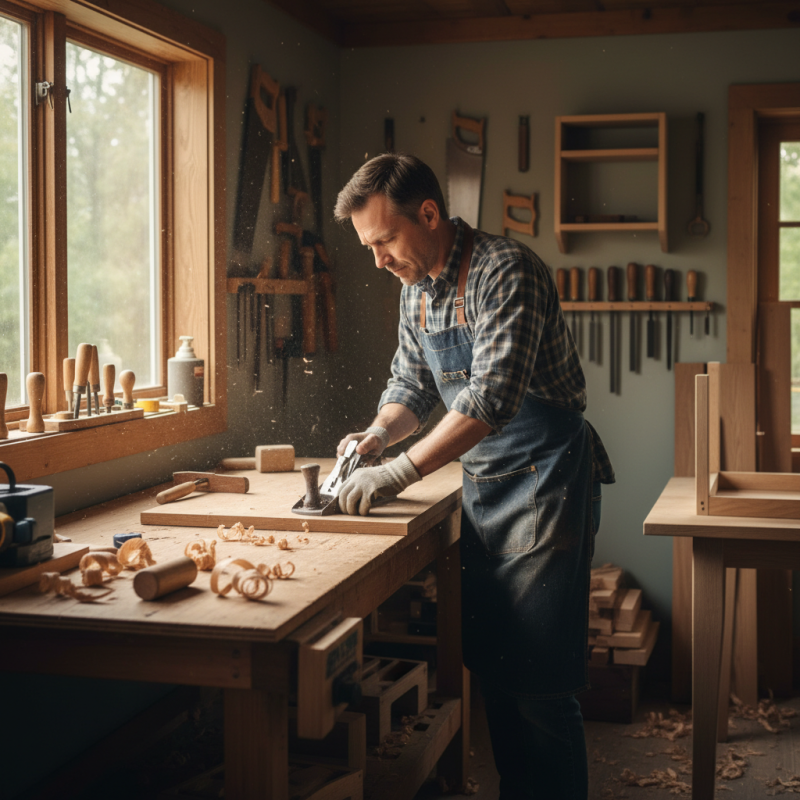
When starting home furniture making, it’s essential to understand the basic tools. A saw is a must-have. Choose a hand saw for smaller cuts. For larger pieces, a circular saw works well. Measure twice before making any cuts. A good measuring tape ensures accuracy. Level surfaces are crucial to prevent wobbling.
Drills come next in importance. They help create holes for screws, making pieces more secure. A simple cordless drill can handle most tasks. Sandpaper is also vital; it smooths down rough edges. Different grits provide varying levels of smoothness. Remember, imperfections may occur during sanding. Some areas might need more attention while others become too smooth.
Don’t forget about clamps. They hold your pieces together while glue dries or during assembly. An extra pair of hands is often needed. Sometimes, it can be frustrating when pieces don’t fit perfectly. Re-evaluating your measurements and techniques can lead to improvements in future projects. Building furniture at home is a learning process, and mistakes can become valuable lessons.

When starting a DIY furniture project, the choice of materials is crucial. The right materials can enhance the durability and aesthetics of your piece. Consider using plywood for its strength and versatility. It can be easily cut and shaped, making it ideal for custom designs. Solid wood, while more expensive, offers a timeless appeal. It requires more skill to work with, but the results are worth it.
Mistakes will happen, like selecting too heavy a material for a tabletop. This can lead to instability. Sometimes, the finish may not turn out as expected. Experimenting with paint or stains can be enjoyable, but it’s essential to test on scrap pieces first. Remember that imperfections can add character, turning a simple item into a unique piece. Embrace the learning process as you refine your choices and techniques.
| Material | Best Use | Tools Required | Cost Range ($) |
|---|---|---|---|
| Plywood | Tables, Shelves | Circular Saw, Drill | 30 - 100 |
| MDF (Medium Density Fiberboard) | Cabinets, Furniture Frames | Table Saw, Screwdriver | 25 - 80 |
| Solid Wood | Chairs, High-end Furniture | Jigsaw, Sander | 50 - 200 |
| Metal | Frames, Industrial-style Furniture | Welding Kit, Angle Grinder | 100 - 400 |
| Plastic | Outdoor Furniture, Lightweight Furniture | Utility Knife, Heat Gun | 20 - 60 |
Creating furniture at home can be a rewarding experience. With simple tools and techniques, you can build pieces that fit your space perfectly. According to a report by the Home Improvement Research Institute, DIY furniture projects have increased by 35% in recent years. This trend shows that more people are interested in hands-on creativity.
Start with basic materials like wood and nails. A simple bedside table or a sturdy bookshelf can be made in a weekend. Use a saw to cut wood to size. Sand the edges for a smooth finish. Measure twice to avoid mistakes. Sometimes, cuts might not be perfect, and that’s okay. A little imperfection adds character.
Joining techniques matter too. Use simple joints like butt joints or dowels. These are strong and easy to create. A 2021 survey found that 60% of DIYers experience some challenges during the building process. It’s essential to embrace these moments. Each mistake offers a learning opportunity. Take time to refocus and adjust your plans as needed. Your unique touch will shine through in every piece you create. Remember, making furniture is as much about the journey as it is about the end product.
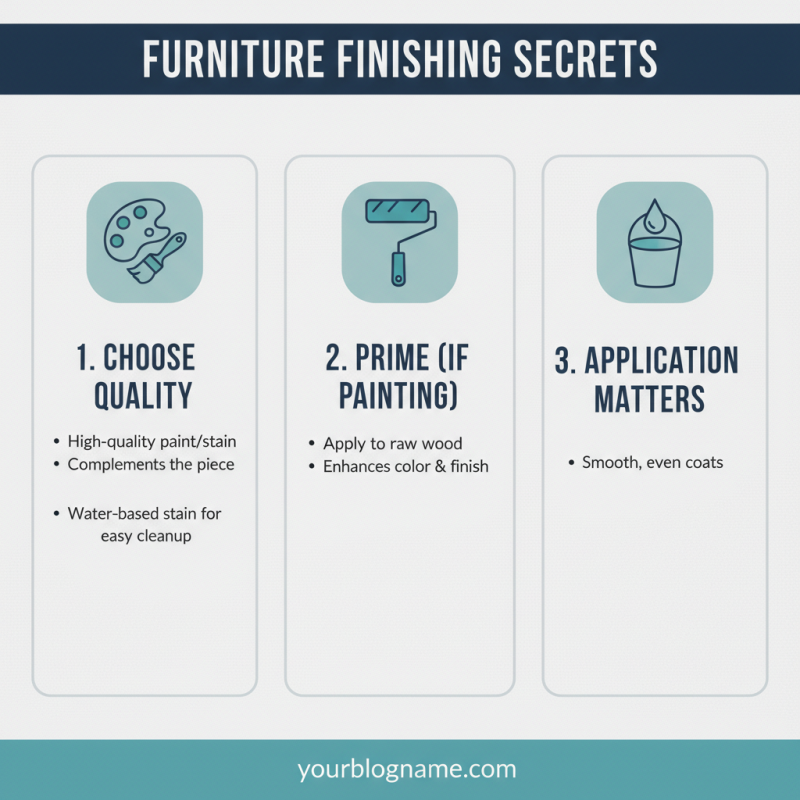
When it comes to painting or staining your homemade furniture, the finishing touches matter greatly. Start by selecting high-quality paint or stain that complements your piece. A water-based stain is a great option for easy cleanup. Apply a primer if you're painting, especially on raw wood surfaces. A primer helps your final color pop and provides a better finish.
Tips: Always test your paint or stain on a scrap piece first. This will ensure that you are happy with the color. If the first attempt seems off, adjust the tone with another layer. It’s okay if things don’t turn out as expected. This is part of the learning process.
Next, when applying your finish, use a foam brush or a roller for a smooth application. Avoid using too much product at once; this can lead to drips. Work in thin layers. Let each coat dry completely before adding more. Reflecting on your technique can lead to improvements. If you notice brush strokes, consider using a spray finish next time for a more polished look.
Tips: Keep the workspace well-ventilated and dust-free. Dust particles can settle into your finish and affect appearance. Mistakes are valuable. They teach us valuable lessons about patience and technique. Embrace them; they create unique character in your furniture.
When embarking on DIY furniture projects, safety should always come first. Every tool carries risk. Wear protective eyewear to shield your eyes from dust. Gloves help prevent cuts and scrapes. Ear protection is wise when using loud tools, like saws. Be mindful of your surroundings. A cluttered workspace can lead to accidents.
Before handling tools, ensure you understand how to use them properly. Read manuals if needed. Start with simple projects to build confidence. Using the correct technique can lead to better results. Do not rush; quality takes time. Mistakes can happen, like cutting wood too short. This can be frustrating, but it’s part of the learning process. Reflect on what went wrong and adjust for next time.
Clean your workspace regularly to avoid injury. Dispose of sharp waste in a secure way. Always unplug power tools when changing accessories. These small habits can make a big difference. Keep a first aid kit nearby, just in case. Mistakes happen, and being prepared is essential. Each project teaches valuable lessons, enhancing both skills and safety awareness.