2026 How to Choose the Best Designer Chairs for Your Space?

In today's world of interior design, choosing the right designer chairs is crucial for creating a harmonious space. Recent industry reports indicate that the demand for designer furniture, including chairs, has surged. According to a survey from the International Furniture Design Association, 72% of homeowners feel that furniture significantly impacts their quality of life. Yet, many people overlook how the right chairs can elevate both comfort and style.

When selecting designer chairs, consider factors such as aesthetics, material, and functionality. A study by the Furniture Industry Research Association reveals that 56% of consumers prioritize design over price. This reflects a growing trend where people are willing to invest in high-quality pieces that resonate with their personal tastes. However, it's worth noting that not all high-end designs fit every space.

Understanding the space is essential. Your room's dimensions and existing decor will determine what fits best. Sometimes, the most visually striking pieces may not be the most practical. Balancing style and functionality is no easy feat. It's a process that benefits from thoughtful reflection and even trial and error. In the end, the right designer chairs can transform your environment, making it both inviting and functional.
2026 How to Choose the Best Designer Chairs for Your Space?

Understanding Your Space: Assessing Size and Layout

When selecting the best designer chairs for your space, understanding the size and layout is crucial. Start by measuring your room dimensions. Knowing the area will help you visualize how different chair styles fit. Consider the existing furniture arrangement. Chairs should complement the flow, not obstruct pathways. Keep in mind the scale of your other pieces. Bulky chairs in a small room can feel overwhelming.

Assessing the layout involves considering function and aesthetics. Is the area for relaxation, dining, or work? Each chair type serves a different purpose. For a cozy reading nook, a lounge chair works well. For a dining room, opt for functional yet stylish seating. Remember that color and texture matter too. A bold color can be a statement piece, but ensure it harmonizes with your decor.

Think about versatile options. Chairs that can be easily moved add flexibility. However, don’t overlook comfort. An attractive chair that’s uncomfortable can lead to regrets. It's essential to strike a balance between style and usability. Taking time to reflect on your choices will lead to a more satisfying result.
Identifying Your Style: Matching Chairs to Your Aesthetic

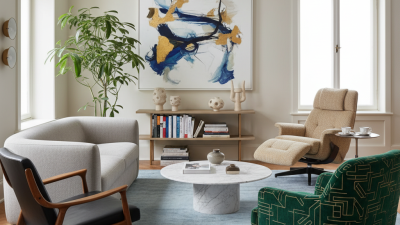
When choosing designer chairs, it's crucial to align your selections with your personal aesthetic. Understanding your style can greatly enhance the coherence of your space. For instance, a recent survey found that 72% of homeowners prioritize interior design that reflects their personality. This indicates a strong connection between personal expression and furniture choices.

Consider the elements that define your preferred aesthetic. If you gravitate towards minimalism, look for chairs with clean lines and neutral colors. On the other hand, if you're drawn to eclectic styles, opt for bold patterns and various textures. Industry data highlights that 58% of successful interior designs incorporate furniture choices that match the room's overall theme.

It’s important to test how a chair feels in your space. Sometimes, a chair that looks perfect may not offer the comfort you desire. Be aware of this disconnect and be willing to reassess your choices. Learning about your spatial dynamics can lead to better decisions. Remember, the goal is harmony between function and style. While aim for perfection, it's natural to encounter some missteps along the way. Embrace the journey of finding the right balance.

Material Matters: Choosing Fabrics and Finishes for Durability

When selecting designer chairs, the material is crucial. Fabrics and finishes contribute to the overall aesthetic and durability. High-quality fabrics like leather, velvet, and natural fibers often withstand daily use better than synthetic options. However, natural materials may require more maintenance. They can stain easily or fade in sunlight. It’s essential to weigh these factors.

Durability also depends on the chair's finish. Painted or lacquered surfaces may scratch over time. Look for sturdy finishes that can endure wear and tear. Some woods are more resilient than others. Solid hardwood options generally last longer than softwoods. Remember, understanding the material can enhance your buying decisions.

Consider your lifestyle too. If you have pets or children, you might prefer a fabric that resists stains. Upholstery with blends can offer a balance between feel and resilience. These choices impact your comfort and the chair's longevity. Reflect on how each material aligns with your needs for both style and practicality.

Comfort and Function: Evaluating Chair Ergonomics and Usability

When selecting designer chairs, ergonomics and usability are critical factors. Comfort should not be an afterthought. A well-designed chair supports your posture. Look for features like lumbar support and adjustable height. These elements reduce strain during long hours of sitting. Not all designer chairs offer real comfort. Some prioritize style over function, leading to discomfort.

Consider the chair's usability in your space. A heavy chair may look stunning, but it can be inconvenient to move. Test different models before buying. Sit in them for a few minutes. Pay attention to how they feel. Do they provide adequate support? Is the seat depth right for your body type?

People often overlook the importance of material. Breathable fabrics can keep you cool. Leather may be luxurious but can become uncomfortable in heat. Reflect on your daily activities. Will you use the chair for work or relaxation? Matching the chair to your needs enhances both comfort and function.

2026 Comparison of Chair Ergonomics and Usability Factors

Budgeting Wisely: Finding Designer Chairs within Your Price Range

Choosing designer chairs can be exciting yet challenging, especially when you have a specific budget. Many people fall into the trap of overspending on furniture. It's essential to balance aesthetics and functionality without breaking the bank. Before you shop, determine a price range that suits your financial situation. Research shows that setting a budget early can prevent impulse buys that lead to buyer’s remorse later.

Consider exploring different materials and styles. Sometimes a well-designed chair can be found at a lower price point than expected. Searching online can reveal hidden gems that might not be available in traditional retail settings. Often, unique options are available through local artisans or vintage shops that blend style and savings.

Don’t forget to measure your space. A beautiful chair might not fit well in your room. It’s easy to overlook dimensions in the excitement of shopping. This mistake can lead to frustration and additional costs. Reflect on how each piece will serve your needs beyond its visual appeal. Prioritizing comfort alongside design will ensure that your investment pays off in daily enjoyment.