inlay cards play an essential role in the world of packaging and presentation. An inlay card is a printed piece, often found inside a box or a product package. It provides important information about the product. This includes instructions, warranty details, or promotional offers. The card can enhance the unboxing experience. When a customer opens a package, the inlay card catches their attention.
The design of an inlay card is crucial. It must be visually appealing yet informative. Many businesses overlook its importance, focusing only on the outer package. This is a missed opportunity. An effective inlay card can convert a one-time buyer into a loyal customer. It serves as a reminder of the brand’s values and promises.
However, crafting the perfect inlay card is not easy. It requires creativity and attention to detail. Some companies may rush through the design process. This can lead to bland and ineffective cards. A great inlay card feels personal and connects with the audience. Brands should reflect on their designs and improve continually.
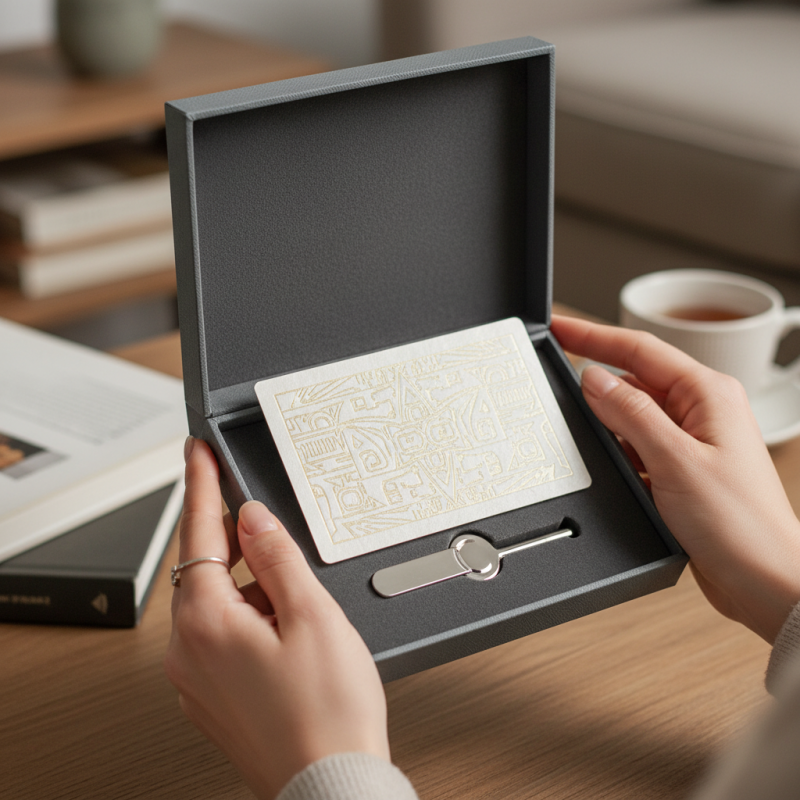
An inlay card is a small insert typically placed inside product packaging. It serves multiple purposes. Often, these cards provide vital information about the product, including instructions or warranty details. They can also enhance the product's presentation, adding an attractive element to the unboxing experience.
Inlay cards can vary significantly in design and material. Some are made of simple cardstock, while others might be glossy or textured. The choice of design reflects the product's branding and target audience. Creative graphics and concise text can make these cards more engaging. However, sometimes the information can be overwhelming or confusing, leading to missed instructions.
It’s interesting to think about effectiveness. Many assume inlay cards are just for aesthetics, but they actually play a crucial role. Poor formatting or unclear language can diminish their usefulness. Striking the right balance between visual appeal and clear communication can be challenging. Designers must be mindful of how users interact with these cards. A well-crafted inlay card can enhance user experience, but a poorly executed one can frustrate and confuse.

Inlay cards are versatile tools used across various industries. They serve unique purposes based on specific needs. In the music industry, inlay cards provide essential information about albums. They typically include track listings, credits, and artwork. Collectors often cherish them for their aesthetic and informational value.
In retail, inlay cards can describe products in detail. These cards may accompany packaged goods, informing customers about features and usage. They enhance the shopping experience by guiding consumers in their choices.
Tips: When designing inlay cards, consider using clear fonts. Make sure the text is legible from a distance. High-quality images can also grab attention and entice potential buyers.
In the gaming industry, inlay cards feature game rules and character descriptions. They help players understand mechanics quickly. However, sometimes the information can be overly dense. It’s essential to balance detail with simplicity. Less can often be more.
Using the right materials for inlay cards matters, too. Glossy finishes attract eyes, while matte surfaces feel good to touch. Think about the overall look and feel to appeal to your target audience.
| Industry | Type of Inlay Card | Purpose | Material Used |
|---|---|---|---|
| Retail | Product Information Card | Provides details about the product, pricing, and features | Cardstock |
| Music | Album Inlay Card | Contains song listings, credits, and artwork | Paper or Eco-friendly materials |
| Manufacturing | Technical Specification Inlay | Detailed explanation of product specifications and settings | Plastic or laminated paper |
| Gifts | Greeting Card Inlay | Personal messages and wishes | Premium paper |
| Gaming | Game Instruction Inlay | Instructions on gameplay and rules | Cardstock |
Inlay cards serve various purposes across many products. They are often used in packaging, adding both information and aesthetics. A well-designed inlay card can be eye-catching. It can present detailed product information or instructions. Consumers appreciate having this information readily available.
Another common use of inlay cards is in entertainment products, like CDs or DVDs. The card can feature artwork, track listings, and credits. This makes the product more appealing. It can also enhance the overall experience. When a product feels complete, customers are more satisfied.
Inlay cards can also be found in board games and toys. They often display rules or game components. Without clear instructions, players may feel frustrated. A simple card can make a big difference. Yet, the design must be thoughtful. Poorly designed cards can confuse or mislead consumers, leading to a less enjoyable interaction with the product. Individual preferences can vary, and not every design suits every audience.
Inlay cards serve a crucial role in various industries, particularly in packaging and product presentation. They often provide essential information, including product descriptions and usage instructions. When designing inlay cards, clarity is key. Research indicates that 85% of consumers appreciate straightforward messaging. Ensuring legibility in fonts and text size can greatly enhance user experience.
Color schemes matter too. The right colors can evoke emotions and influence purchasing decisions. A report from an industry expert highlighted that 70% of buying decisions are influenced by color. However, using too many colors or clashing palettes can confuse consumers. Designing with a clear hierarchy allows essential information to stand out. Each element should guide the consumer's eye to what matters most.
Material choice is often overlooked. Durable, eco-friendly materials are becoming more favored. Yet, they can be more expensive. Brands need to balance quality with costs. An interesting find from a recent study showed that 60% of consumers are willing to pay more for sustainable options. It’s essential to reflect on whether the benefits truly align with brand values and consumer expectations.
Inlay cards are versatile tools for branding and packaging. They often hold an important creative space. Brands use these cards to convey a message. This can range from product details to brand stories. The visual aspect of inlay cards can capture attention. They are a great way to enhance product appeal.
One major benefit of inlay cards is their ability to strengthen brand identity. They can define a brand's personality through colors, fonts, and images. A visually striking card adds value to the overall design. It creates a memorable experience for customers. However, it’s vital not to overload the card with information. Clarity is key. A cluttered inlay can confuse potential buyers.
Inlay cards also allow for customization. Brands can tailor messages for specific customer segments. This personalized touch may increase engagement. Yet, there’s a risk of being too generic. Not every design resonates with everyone. Reflecting on feedback can help brands adjust their strategy. Ultimately, well-designed inlay cards can be an impactful addition to any packaging solution.