In the ever-evolving world of the beverage industry, proper Commercial Beer Storage is crucial for success. According to industry expert Michael Johnson, “Optimizing beer storage is not just about efficiency—it’s about preserving quality.” As breweries and restaurants expand, the need for effective storage solutions becomes more pressing.
Choosing the right storage equipment can make or break a business. With various options available, understanding the features is essential. From temperature control to space management, each element plays a role. Neglecting these factors can lead to wasted resources and unmet customer expectations.
In this guide, we will explore the top 10 commercial beer storage solutions. Each option highlights the balance between functionality and design. While many solutions exist, finding the perfect fit involves careful evaluation. The right choice can enhance the overall beer-drinking experience for customers while ensuring safety and freshness.
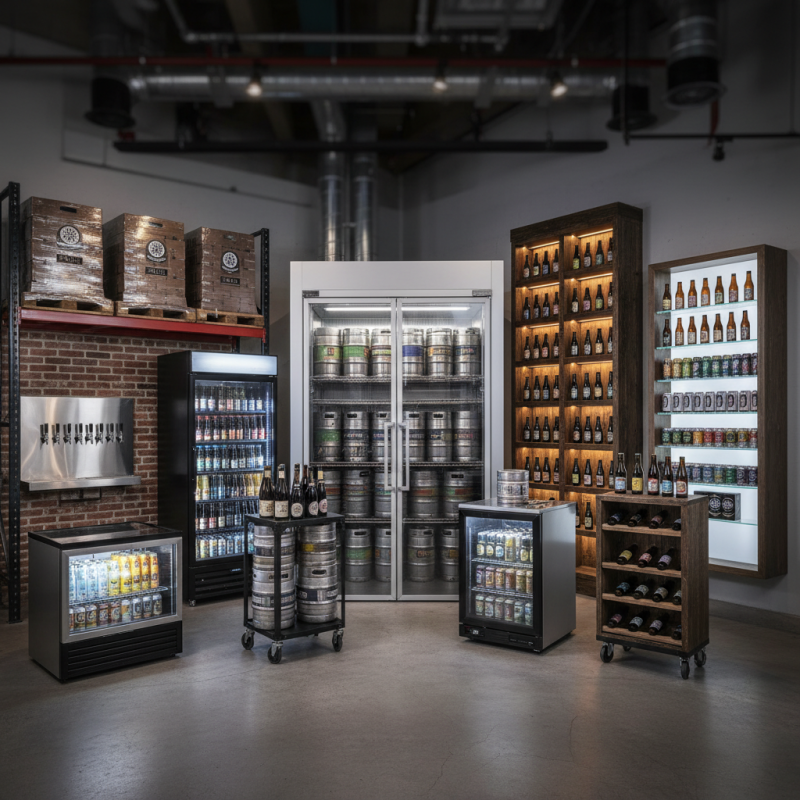
When selecting beer storage solutions for your business, it's crucial to consider several key factors. Temperature control is paramount. Beer is sensitive to temperature changes. Ensure that your storage solution maintains a consistent cool environment. This protects the taste and quality of the beer.
Capacity is another essential aspect. Estimate your inventory needs. Choose a storage system that can accommodate your maximum stock levels without overcrowding. If you have limited space, consider vertical storage options to maximize efficiency.
Tips: Regularly check the condition of your storage unit. Look for any signs of wear or malfunction. An unreliable unit can lead to significant losses. Don't forget to evaluate energy consumption. Energy-efficient models save costs over time. When making your decision, ask for professional advice. This can help you avoid costly mistakes and ensure you get the right solution for your needs.

When it comes to beer storage solutions, the type you choose can significantly affect both quality and efficiency. Refrigerators are a popular choice for smaller businesses. They provide quick access and maintain optimal temperature. A well-insulated refrigerator can keep beer fresh for extended periods, avoiding any temperature fluctuations that could ruin the taste.
Walk-in coolers offer a different advantage. These spacious units allow for bulk storage, accommodating larger quantities of beer. They are ideal for establishments with high turnover rates, ensuring that stock remains at a consistent, cool temperature. However, they require careful space management and regular maintenance.
While these storage solutions are effective, businesses must consider their specific needs. Location, volume, and accessibility are critical factors. A poorly planned storage setup can lead to wasted space and increased costs. Investing time to evaluate your options can yield better results and enhance operations.
| Type | Capacity (Cubic Feet) | Temperature Range (°F) | Energy Efficiency | Ideal For |
|---|---|---|---|---|
| Refrigerator | 10-25 | 32-40 | Energy Star Certified | Small Bars and Restaurants |
| Walk-In Cooler | 100-1000 | 32-38 | High Efficiency | Large Breweries and Distribution Centers |
| Keg Cooler | 10-20 | 33-38 | Moderate Efficiency | Pubs and Taprooms |
| Display Cooler | 15-40 | 30-40 | Energy Efficient | Retail Locations |
| Under-Counter Fridge | 5-12 | 32-38 | High Efficiency | Restaurants and Bars |
| Dual-Zone Cooler | 20-40 | 32-38 (Lower); 40-50 (Upper) | Energy Efficient | Wineries and Breweries |
| Chest Freezer | 15-30 | 0-32 | Energy Star Certified | Craft Breweries |
| Cask Cooler | 20-50 | 32-38 | High Efficiency | Microbreweries |
| Beverage Center | 10-20 | 34-38 | Energy Efficient | Small Bars and Restaurants |
| Column Cooler | 15-30 | 32-38 | High Efficiency | Bars and Restaurants |
Proper beer storage is essential for maintaining quality and extending shelf life. The Brewer's Association indicates that temperature and light exposure are critical factors. Light can cause off-flavors in beer, while storing it at too high a temperature can degrade its taste. The optimal temperature for most beers is between 45°F and 55°F. This precise control helps preserve the flavors that brewers intend.
Quality beer storage involves keeping inventory organized and accessible. A survey by the National Restaurant Association found that 37% of beverage professionals prioritize storage efficiency. Having the right equipment, like kegerators or walk-in coolers, ensures that beers are served at the right temperature. In addition, proper storage reduces waste, allowing businesses to maximize profits. Maintaining the integrity of beer is not just practical; it is part of the brand's promise to customers.
However, the challenge lies in keeping up with evolving storage technologies. Many establishments still use outdated methods, risking quality. There's a consistent need for training staff on best practices. A report from the Beverage Marketing Corporation suggests that businesses investing in proper storage can see up to a 20% increase in customer satisfaction. The right storage solution is not just an investment in infrastructure; it's an investment in the overall experience for consumers.
When budgeting for commercial beer storage, knowing the types and costs is crucial. Storage solutions vary widely in size and functionality. For small bars, a compact cooler might cost around $1,500. Larger restaurants may need a walk-in cooler, which can start at $5,000. This initial price only scratches the surface.
Ongoing costs should also be factored in. Maintenance for coolers can add up, routinely requiring adjustments. Electricity bills increase with larger units, especially if they're not energy-efficient. Additionally, purchasing and maintaining proper shelving can become an overlooked expense.
Not all solutions fit every business. Some may find cheaper storage options inadequate for their needs. Reflect on your specific requirements—storage capacity, traffic flow, and accessibility. Investing too little can lead to losses. Therefore, it's essential to balance initial costs with long-term functionality. Adjust your budget accordingly, being mindful of both immediate needs and future growth.
Efficient beer storage is crucial for maintaining quality and taste. Regular maintenance can significantly prolong the lifespan of storage solutions. Studies show that improper storage can lead to a 30% loss in flavor over time. A clean storage area, free from dust and contaminants, is essential.
Tip: Conduct weekly inspections of your storage units. Look for any signs of wear. Clean the interior and exterior surfaces with a gentle cleaning solution. This prevents buildup that could affect beer quality.
Temperature control is vital. Ideally, beer should be stored at 45 to 55 degrees Fahrenheit (7 to 13 degrees Celsius). Fluctuations can ruin the beer. Ensure that your storage unit has a reliable thermostat. It’s worth checking twice a week to avoid unexpected changes.
Tip: Use thermometers to monitor your storage temperature consistently. This allows you to act quickly if issues arise. Remember, a minor temperature shift may not be noticeable immediately but can lead to major problems later. Proper maintenance and monitoring can elevate your beer storage efficiency.