Top Furniture Builder Manufacturers for Global Buyers

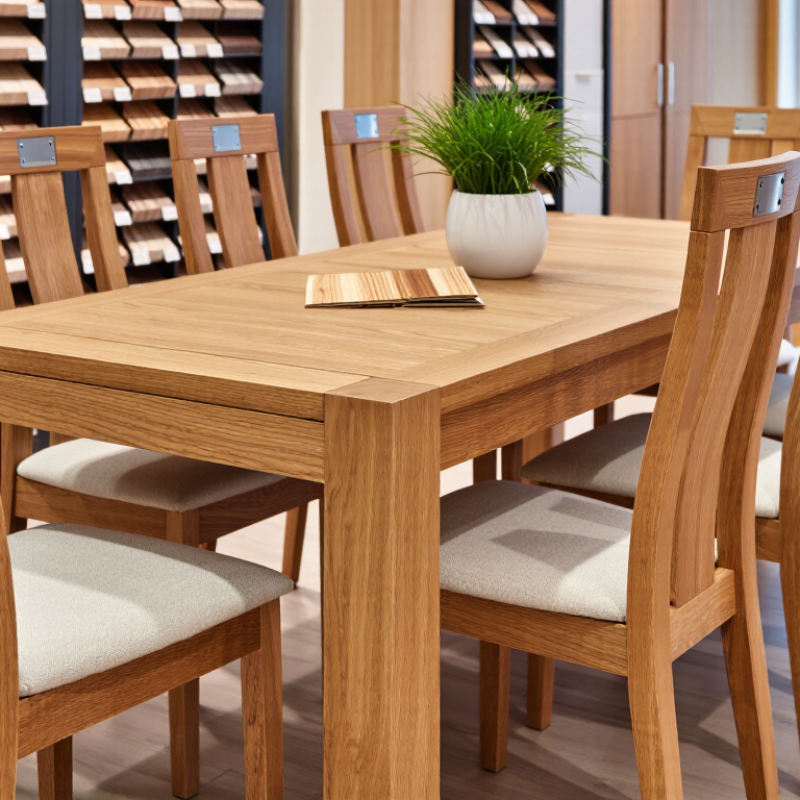
Choosing among top furniture builder manufacturers takes more than comparing catalog photos. Global buyers need to assess construction, materials, production consistency, communication, and delivery capability. A solid oak dining table, for example, should arrive with even joinery, a stable finish, and clear care instructions—not just an attractive showroom image. Details matter. Charles Eames, the influential furniture designer, said, “The details are not the details. They make the design.” His observation is useful when evaluating builders: small choices in edging, hardware, upholstery seams, and finishing can shape years of daily use.

This guide introduces manufacturers and practical criteria for comparing them across different project needs. Look for documented quality-control steps, realistic lead times, product specifications, warranty terms, and references from comparable orders. Ask how a builder handles sample approval and checks completed goods before shipment. Ask for proof. A polished sample can still differ from a large production run, so buyers should verify what will actually be delivered. That takes time. Price matters, but the lowest quote may leave important details unclear, including packaging, replacement parts, or after-sales support. No single furniture builder is the right fit for every market or budget. Even a strong shortlist needs scrutiny; supplier claims should be checked against written specifications and independent inspection where appropriate. The aim is not a perfect promise, but a dependable match between design, workmanship, and the buyer’s real operating needs.
Top Furniture Builder Manufacturers for Global Buyers

What Furniture Builder Manufacturers Produce and How They Operate

Furniture builder manufacturers convert sketches, specifications, and material choices into finished pieces for homes, offices, and hospitality spaces. Their products may include tables, cabinets, beds, chairs, and upholstered seating. Some factories handle the full process; others focus on cutting, assembly, finishing, or upholstery. The difference matters. A buyer needs to know which steps happen in-house and which depend on outside suppliers.

Production often begins with drawings and a prototype. Teams check dimensions, hardware placement, and how parts fit before approving a production run. In the workshop, panels may be cut on computer-guided machines, then edged, drilled, assembled, and finished. Upholstered pieces add frame construction, foam selection, fabric cutting, and stitching. Quality checks can include inspecting joints, surface consistency, drawer movement, and packaging. Ask how defects are recorded and corrected, not just whether inspections occur. Details vary by material and product.

Tips: Request a sample or production photos, and confirm material specifications in writing. Ask about lead times, packaging tests, and inspection records. Small inconsistencies can still appear, even in organized facilities; discuss acceptable tolerances early. A clear process helps, though it cannot replace careful follow-up.

Major Furniture Manufacturers Serving Global Markets

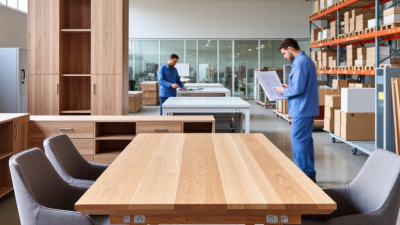
Major furniture manufacturers serving global markets often coordinate design, sourcing, production, and shipping across several regions. Their scale can support steady output, but capacity alone says little about fit. Buyers should examine product ranges, factory processes, and material records. Ask how wood, engineered panels, foam, fabrics, and metal parts are checked before assembly. Request samples that show edge details, stitching, finishes, and hardware. Small details matter. A cabinet door that closes unevenly on a sample may signal a repeated issue in a large order.

Reliable suppliers explain production timing, packaging methods, and inspection steps in plain language. They should clarify who handles testing, corrective work, and shipping documents. Buyers can compare product tolerances, carton protection, and replacement-part policies before confirming an order. For distant markets, clear drawings and approved color samples can prevent avoidable disputes. Inspect closely. Still, no checklist catches everything. A polished showroom may hide a rushed production line, while a factory visit shows only one day’s work. Ask for recent production evidence and follow-up checks where practical. Even experienced buyers can overlook details. That is a reason to keep specifications precise, not to assume that size guarantees quality.

Furniture Categories and Capabilities Offered by Leading Manufacturers

Leading furniture manufacturers typically cover upholstered seating, bedroom sets, dining tables, storage, and office furniture. Their capabilities may include solid-wood and panel processing, metal fabrication, upholstery, finishing, and customized dimensions. That breadth matters. Grand View Research estimated the global furniture market at USD 736.6 billion in 2023 and forecast a 5.4% compound annual growth rate from 2024 to 2030. Growing demand does not mean every factory can handle every category well. A maker skilled in dining tables may lack the equipment or production controls needed for consistent upholstered seating.

For global buyers, compare capabilities against the actual product specification. Ask about material traceability, moisture control for wood, foam density, fabric abrasion testing, and finish samples under different lighting. Request a pilot run, not just catalog photographs. Small details show quickly: uneven stitching, wobbly joints, or a drawer that sticks after repeated use. Manufacturers serving multiple categories can simplify sourcing, but quality may vary between production lines. One overlooked question: how are defects recorded and corrected? Review inspection procedures, packaging tests, and stated lead times before placing a large order. A polished sample helps, but it cannot prove every production batch will match.

Furniture Manufacturing Capabilities Across Product Categories

Bars show how many of six common furniture categories typically involve each manufacturing process. The categories are casegoods and cabinetry, upholstered seating, tables, bedroom furniture, office furniture, and outdoor furniture. Counts describe general process relevance—not market share or a survey of manufacturers; individual product designs vary.

How Global Buyers Evaluate Manufacturers and Verify Product Quality

Global buyers should evaluate furniture manufacturers through evidence, not catalog images. Request a current factory profile, production flow, and examples of comparable projects. Ask to see it. During a live video call, look for working areas, material storage, and finished pieces—not only a prepared showroom.

Product quality needs measurable checks. Confirm wood species, panel thickness, hardware grade, finish system, and stated tolerances in the specification sheet. Then compare those details with a pre-production sample. Check drawer alignment, edge banding, joint gaps, and finish consistency under neutral light. Small flaws matter. A sample may receive unusual attention, so request records or photos from a routine production run, too. If possible, arrange an independent inspection before shipment, using agreed criteria for dimensions, function, surface defects, and packaging.

Ask how defects are recorded and corrected, and who approves material or drawing changes. Review test reports only when they match the product’s exact construction and finish; a generic report may reveal little about the item being ordered. Keep approvals, sample notes, and revision dates in one file. This sounds tedious. It can prevent avoidable disputes, though no checklist removes every risk. A manufacturer’s willingness to explain a problem plainly can be as revealing as a flawless sample.

Sourcing, Logistics, and Compliance Factors in International Furniture Trade

Top Furniture Builder Manufacturers for Global Buyers

Choosing a furniture manufacturer involves more than comparing unit prices. Request a written specification covering dimensions, materials, finishes, hardware, and acceptable tolerances. A sample can reveal details a catalogue misses, such as drawer movement or rough edges. Confirm who approves changes and how defects are recorded. Small misunderstandings can grow across a large production run.

Plan shipping before production is complete. Agree on packaging, carton markings, delivery terms, and realistic lead times. Ask how furniture will be protected from moisture and impact during transit. For compliance, identify the destination market and product category early. Check applicable requirements for materials, labeling, and safety with qualified local advisers or your customs broker. Keep test reports and shipping documents organized. A clean spreadsheet can still hide a weak assumption, so review every cost and timeline with the supplier.

Tips: Compare landed cost, not factory price alone. Ask for dated production photos and a pre-shipment inspection. Verify document details before cargo leaves. Leave room for delays; even careful plans sometimes slip.

Top Furniture Builder Manufacturers for Global Buyers - Sourcing, Logistics, and Compliance Factors in International Furniture Trade

Manufacturing Region Common Furniture Categories Sourcing Considerations Indicative Production Lead Time Indicative Port-to-Port Transit Compliance and Quality Checks
China Case goods, office furniture, upholstered seating, metal-and-wood furniture, and flat-pack products. Broad supplier and component base can support large assortments. Confirm factory capabilities, material specifications, production capacity, and subcontracting controls. About 30–60 days after approved specifications and materials; complex or peak-season orders may take longer. To North American West Coast: roughly 15–25 days; to Northern Europe: roughly 25–40 days. For US-bound composite-wood products, verify applicable TSCA Title VI formaldehyde requirements. Check labeling, packaging, product safety, and buyer-required inspection records.
Vietnam Wooden bedroom and dining furniture, chairs, outdoor furniture, and upholstered items. Confirm the origin and traceability of timber, component sourcing, finishing processes, and whether production is performed at the declared facility. About 30–60 days, depending on materials, order size, and product complexity. To North American West Coast: roughly 18–30 days; to Northern Europe: roughly 28–40 days. Review timber legality and origin documentation, chemical restrictions for finishes and textiles, packaging specifications, and destination-market product-safety obligations.
Poland and Central Europe Cabinet furniture, bedroom and living-room furniture, upholstered seating, and components for European retail supply chains. Regional road access can support shorter replenishment cycles within Europe. Confirm language and labeling requirements, delivery terms, and capacity during seasonal peaks. About 25–50 days, varying with materials, order volume, and production scheduling. Within nearby European markets, road freight commonly takes several days; ocean freight to North America is generally measured in weeks. For EU sales, assess obligations under applicable product-safety and chemical rules, including the General Product Safety Regulation and REACH where relevant. Keep material and test documentation available.
Turkey Upholstered seating, bedroom furniture, dining furniture, and wood-based panels and components. Check fabric and foam availability, finish consistency, packaging strength, and the transport mode used for delivery to the destination market. About 25–55 days, depending on product type, customization, and input-material availability. To Western Europe by road: often about 5–14 days; ocean transit to North America is generally measured in weeks. Confirm destination-specific fire-safety requirements for upholstered products, chemical restrictions, labeling, and the required test reports for each product specification.
India Solid-wood furniture, carved and decorative furniture, metal furniture, and mixed-material products. Specify timber species, moisture content, finish samples, and acceptable workmanship in writing. Build time for sample approval and pre-shipment inspection into the schedule. About 35–70 days; custom designs and handcrafted details may require additional time. To Northern Europe: roughly 20–35 days; to North America: roughly 25–40 days. Check timber sourcing documents, treatment requirements where applicable, chemical compliance, packaging suitability, and destination-market labeling rules.
Indonesia Solid-wood furniture, outdoor furniture, woven or rattan furniture, and decorative pieces. Verify material traceability, moisture control, kiln-drying or other treatment specifications, and protection against humidity during storage and transit. About 35–70 days, with timing influenced by material preparation and handcrafted production. To North America: roughly 20–35 days; to Northern Europe: roughly 25–40 days. Request timber-origin documentation and applicable treatment records. Check finish and textile requirements, packaging, and any destination-specific import controls.

Planning note: Lead times and transit ranges are indicative planning estimates, not guaranteed service levels. Actual timing varies by product, order quantity, port pair, carrier schedule, customs clearance, season, and inspection requirements. Confirm current estimates and compliance obligations for each shipment and destination market.