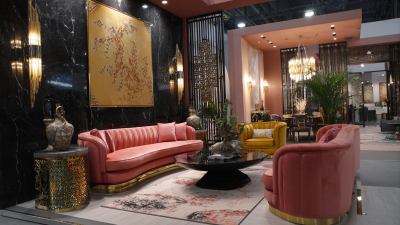
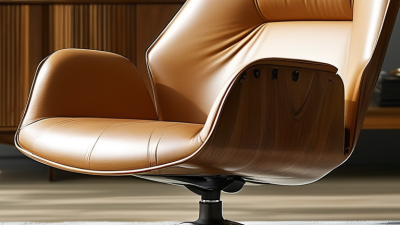
A hotel guest notices furniture before reading the brand story. In the lobby, a firm lounge chair can ease the fatigue of a long journey. A stable desk supports late check-ins, laptop work, and quiet conversations. These details show why hospitality furniture matters beyond decoration. It shapes comfort, movement, safety, and the perceived value of a stay. When furniture works well, guests may not mention it. They simply feel welcomed. That quiet success is easy to underestimate.
For hotel owners, furniture is a long-term operating decision. It must survive luggage wheels, daily cleaning, changing guests, and repeated repositioning. Materials, joinery, upholstery, and maintenance access deserve careful review. A beautiful chair that stains easily can create recurring costs. A low table with sharp corners can interrupt traffic and invite avoidable injuries. Experienced designers therefore assess circulation, ergonomics, durability, fire performance, and accessibility alongside appearance. Local building and safety requirements should guide every specification. Product documentation and supplier testing also matter. Claims should be checked, not accepted because a catalogue sounds convincing.
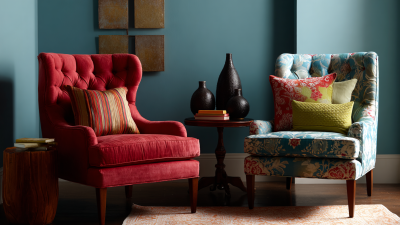
Hospitality furniture also communicates identity. Warm timber may soften a business hotel, while textured fabric can make a small lounge feel calmer. Yet style alone cannot rescue uncomfortable seating or poor proportions. I have seen attractive spaces lose their appeal when sockets were unreachable and tables wobbled. That is a useful reminder: design decisions need evidence from staff and guests. Feedback, room inspections, and replacement records reveal what photographs conceal. The strongest approach balances character with practical performance. It may not be perfect. Still, thoughtful furniture helps hotels deliver a safer, more consistent, and more memorable experience.
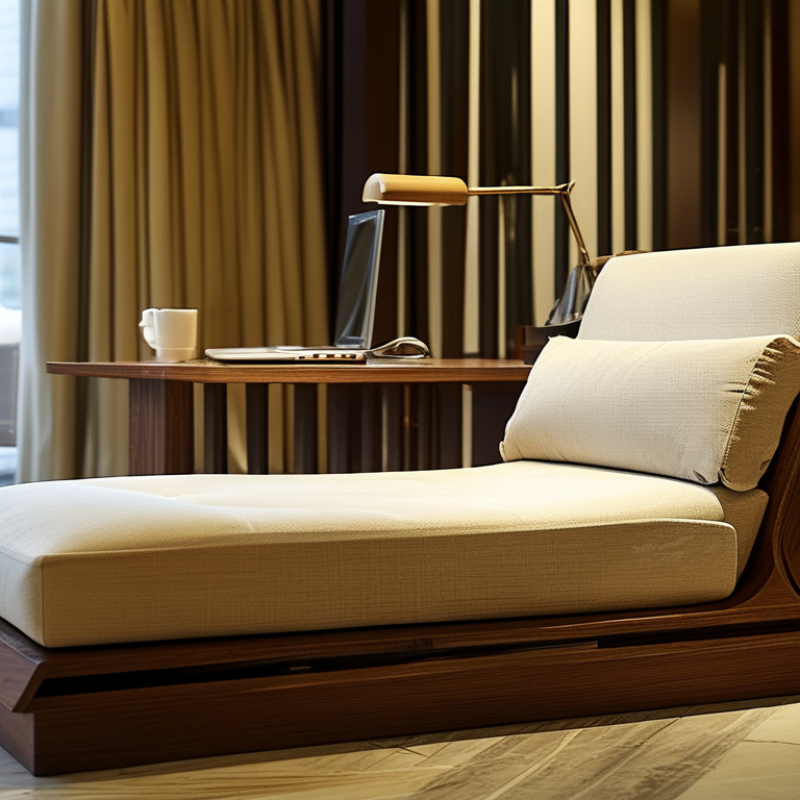
In a hotel setting, hospitality furniture is more than decoration. It shapes how guests move, wait, work, dine, and rest. A lobby sofa can welcome tired travelers, while a narrow desk may create frustration during a long business stay. Furniture also communicates the property’s character through proportion, texture, comfort, and placement.
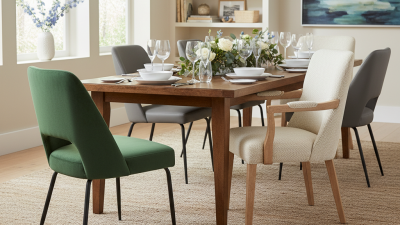
From practical hotel fit-out reviews, durable furniture reduces maintenance pressure. A banquet chair must survive repeated movement. A bedside table needs stable edges, accessible storage, and easy-clean surfaces. Guestroom seating should support different body types without blocking circulation. Designers must also consider accessibility, cleaning routines, replacement parts, and local safety requirements. Small failures matter. A beautiful chair that stains easily is not a successful choice. No specification is perfect.
Tips: Test furniture with real users before installation. Sit, stand, open drawers, and move through rooms with luggage. Check joints, fabric seams, and floor protection. Choose materials that match housekeeping methods, not only the sample room. Leave enough clearance around beds and desks. Review comfort after several hours, because a five-minute showroom test can mislead. Document wear during the first months.
| Hotel Area | Typical Hospitality Furniture | Primary Function | Operational Importance | Practical Design Considerations | Relevant Planning Data |
|---|---|---|---|---|---|
| Guest Rooms | Beds, bedside tables, wardrobes, desks, luggage benches, lounge chairs | Support sleeping, storage, work, and personal comfort | Furniture directly affects room usability, perceived quality, housekeeping efficiency, and guest satisfaction | Use durable surfaces, rounded edges where appropriate, easy-clean upholstery, and sufficient circulation around beds | A common accessible-design reference is a clear floor space of at least 30 × 48 inches for many movable-use areas; local accessibility codes prevail |
| Reception and Lobby | Reception desks, sofas, lounge chairs, coffee tables, side tables, console units | Welcome guests, organize waiting, and establish the hotel’s visual identity | Well-planned furniture improves wayfinding, queue management, first impressions, and waiting comfort | Balance seating density with open circulation; select stain-resistant finishes for high-contact areas | Provide step-free routes and accessible service sections where required; maintain clear paths according to local building regulations |
| Restaurants and Bars | Dining tables, dining chairs, bar stools, banquettes, host stands, service stations | Enable dining, social interaction, service delivery, and efficient table turnover | Furniture layout influences seating capacity, staff movement, guest comfort, and cleaning time | Choose moisture-resistant, food-safe, repairable surfaces and upholstery that tolerates frequent cleaning | Dining table height is commonly about 28–30 inches, while standard counter-height surfaces are commonly about 34–36 inches |
| Conference and Meeting Rooms | Conference tables, nesting tables, stacking chairs, lecterns, credenzas | Support meetings, training, presentations, and flexible event layouts | Movable furniture allows one room to serve multiple event formats and reduces setup time | Prioritize lightweight movable pieces, cable management, nesting or folding capability, and stable construction | A typical meeting-chair seat height is approximately 17–19 inches; final dimensions should match the selected tables and user requirements |
| Guest Corridors and Transitional Areas | Occasional seating, console tables, benches, wall-mounted storage | Provide rest points and reinforce a consistent interior experience | Appropriate furniture can improve comfort without obstructing evacuation or daily housekeeping operations | Keep furniture outside required egress routes and use stable, low-maintenance materials | Required corridor and exit clearances vary by occupancy classification and local fire and building codes |
| Business and Co-Working Areas | Worktables, task chairs, laptop tables, privacy screens, charging tables | Provide comfortable spaces for remote work, short-term tasks, and informal meetings | Functional work furniture can extend the usefulness of public areas beyond traditional guest services | Include ergonomic seating, accessible power outlets, glare control, durable tabletops, and varied seating postures | A standard desk height is commonly about 28–30 inches; adjustable-height solutions can accommodate a wider range of users |
| Outdoor Areas | Outdoor tables, chairs, loungers, benches, umbrellas, planters | Extend guest amenities to terraces, pools, gardens, and rooftop spaces | Outdoor furniture increases usable guest areas and supports food, beverage, and leisure services | Specify UV-resistant, corrosion-resistant, water-tolerant materials and secure furniture against wind where necessary | Material selection should reflect local exposure to sunlight, humidity, salt air, precipitation, and temperature changes |
| Accessibility and Inclusive Use | Accessible-height desks, varied seating, armchairs, transfer-friendly benches | Allow guests with different mobility, reach, and comfort needs to use hotel spaces independently | Inclusive furniture supports legal compliance, equitable service, and a broader guest experience | Avoid unstable seating, provide different seat heights where practical, and maintain accessible approach spaces | Accessibility requirements differ by jurisdiction; furniture layouts must be coordinated with applicable accessibility standards |
| Durability and Maintenance | Commercial-grade seating, contract tables, replaceable upholstery and hardware | Withstand repeated use, cleaning, movement, and accidental impact | Durable, repairable furniture can reduce downtime, replacement frequency, and maintenance disruption | Assess abrasion resistance, moisture resistance, cleanability, spare parts, repair access, and warranty terms | Selection should be based on anticipated usage intensity rather than residential-use specifications alone |
| Sustainability and Lifecycle Value | Modular furniture, recycled-content materials, certified timber, refurbished pieces | Reduce material waste and support responsible purchasing over the furniture lifecycle | Longer service life and repairability can lower whole-life costs and reduce replacement waste | Consider material transparency, disassembly, replaceable components, packaging, transport, and end-of-life recovery | Evaluate products using lifecycle criteria such as service life, repair potential, recycled content, and disposal options |
Note: Dimensions shown are common planning references. Final furniture specifications must comply with applicable local building, fire-safety, accessibility, health, and workplace regulations.