2026 Top Upholstered Furniture Types for Global Buyers

In 2026, global buyers are examining upholstered furniture with greater care. They want comfort, durability, design flexibility, and dependable supply. A sofa may look impressive in a showroom, yet its frame, foam density, stitching, and fabric backing determine long-term value. Experienced buyers now request material samples, test reports, production photographs, and clear packaging details before approving large orders.

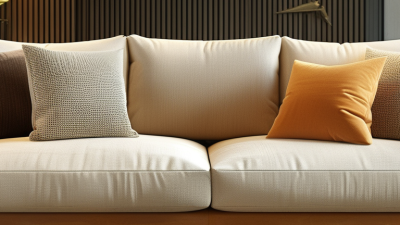
The strongest upholstered furniture types include modular sofas, lounge chairs, storage benches, upholstered beds, dining chairs, and compact reception seating. Each type serves a different market need. Modular sofas support flexible room layouts, while performance fabrics help families manage spills and daily wear. Bouclé remains visually attractive, but it may require more maintenance than buyers expect. That detail matters. Upholstered beds can create a warm hotel appearance, although oversized headboards may increase shipping costs and warehouse pressure.

Reliable sourcing requires more than comparing unit prices. Buyers should review supplier experience, quality-control procedures, fire-safety documentation, fabric composition, carton protection, and replacement policies. Regional preferences also influence successful products. Soft neutral tones may suit European interiors, while stain-resistant textiles and firmer seating can perform better in busy commercial spaces. These patterns are useful, but not universal.

Some expectations may prove unrealistic.

No material is maintenance-free. No supplier is perfect. A thoughtful buying decision balances appearance, comfort, compliance, lead time, and measurable performance. This guide explores the leading upholstered furniture types for global buyers, while recognizing that trends change and product claims still need careful verification.
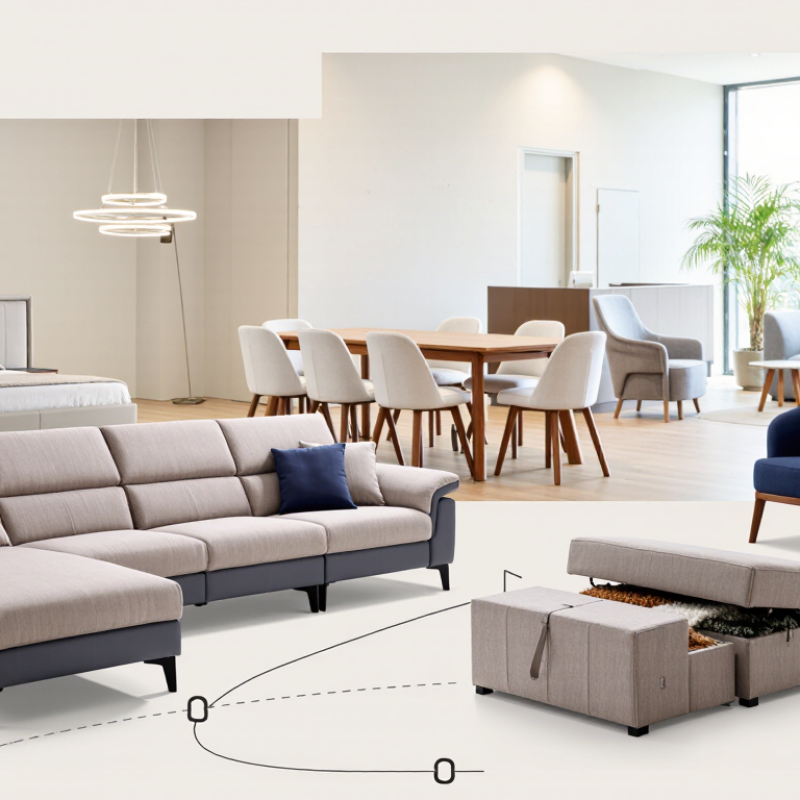
2026 Top Upholstered Furniture Types for Global Buyers

Definition and Scope of Upholstered Furniture in 2026

In 2026, upholstered furniture refers to seating or sleeping products covered with fabric, leather, or synthetic upholstery. The category usually includes sofas, armchairs, recliners, ottomans, upholstered beds, benches, and dining chairs. It also covers residential, hospitality, workplace, and healthcare applications. Mattresses and loose cushions may be excluded, depending on the report.

Definitions vary. Fortune Business Insights’ 2024 market study forecasts approximately 5% annual growth for upholstered furniture through 2032. Grand View Research also identifies rising renovation activity, urban housing, and demand for comfortable seating as important growth factors. These reports use different product boundaries, so their market values should not be compared without checking methodology. That detail is easy to miss.

For global buyers, scope must be written into every specification. State the upholstery material, foam density, frame construction, fire-safety requirements, packaging method, and intended application. A lounge sofa for a private home faces different testing needs from seating used in a hotel lobby. Physical details matter. Buyers should also confirm whether a quotation includes cushions, removable covers, treatment, and replacement parts. Industry reports often combine premium and mass-market products, which can make average prices misleading. I have found that a clear product definition prevents more disputes than a low initial quotation. Still, definitions remain imperfect, especially for multifunctional furniture combining storage, reclining, or convertible sleeping features.
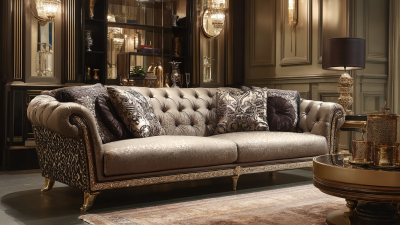
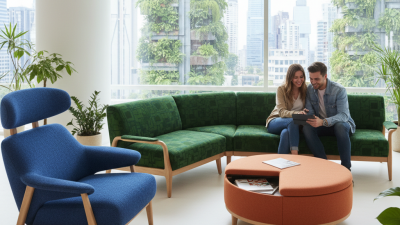
Main Upholstered Furniture Types for Global Buyers

2026 Top Upholstered Furniture Types for Global Buyers

Main Upholstered Furniture Types for Global Buyers

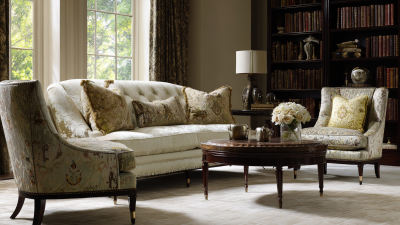
Upholstered furniture remains a practical choice for homes, hotels, offices, and serviced apartments. Sofas and sectionals suit living areas, while lounge chairs add flexible seating without using much floor space. Dining chairs with padded seats improve comfort during long meals. For bedrooms, upholstered beds provide softness and a warmer visual effect. Ottomans and benches can also support storage, dressing, or casual seating needs.

Each type requires different technical checks. A sofa needs a stable frame, resilient foam, and strong webbing for daily use. A dining chair should resist stains and repeated movement. An upholstered bed needs secure joints and reliable fabric tension. In my sourcing experience, buyers often focus on appearance first. That can be a costly mistake. A beautiful fabric may wear poorly in humid environments or bright hotel rooms. Material samples, seam checks, and packaging tests reveal more than photographs.

Tips: Match the furniture type with its real usage. Request fabric abrasion results, foam density, frame details, and carton dimensions. Check fire-safety and labeling requirements for the destination market. Ask for assembly instructions in clear language. Small details matter. I would also test one sample for several weeks before placing a large order. This approach takes longer, but it can expose noise, loose stitching, or uncomfortable cushions early.

2026 Top Upholstered Furniture Types for Global Buyers - Main Upholstered Furniture Types for Global Buyers

Upholstered Furniture Type Typical Product Forms Common Overall Dimensions Typical Seat Height Common Upholstery Materials Typical Filling Materials Main Buyer Applications
Sofas Two-seat, three-seat, modular and sectional sofas Approx. 160–300 cm W × 85–105 cm D × 75–95 cm H Approx. 42–48 cm Polyester, cotton blends, linen blends, leather and synthetic leather Polyurethane foam, fiberfill and pocket or sinuous springs Living rooms, apartments, hospitality lounges and furnished housing
Sectional Sofas L-shaped, U-shaped and chaise sectional configurations Approx. 230–380 cm W × 160–300 cm D × 75–100 cm H Approx. 42–48 cm Woven polyester, performance fabrics, microfiber and leather High-resilience foam, fiber wrap and steel or webbed support systems Large residences, family rooms, media rooms and serviced apartments
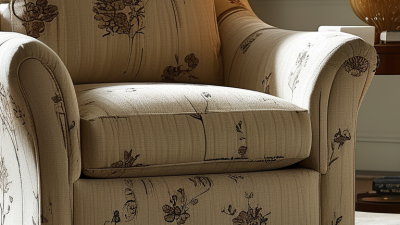
Armchairs Club chairs, lounge chairs, barrel chairs and accent chairs Approx. 70–95 cm W × 75–100 cm D × 75–105 cm H Approx. 42–50 cm Velvet, woven fabric, boucle, leather and synthetic leather Molded or cut foam with polyester fiber and webbing or springs Residential seating, reading areas, hotel rooms and reception spaces
Recliners Manual recliners, power recliners, lift recliners and wall-hugger models Approx. 75–105 cm W × 85–105 cm D × 100–110 cm H when upright Approx. 45–52 cm Polyester, microfiber, leather and synthetic leather Foam, fiberfill, steel reclining mechanisms and metal frames Home theaters, living rooms, senior living and recovery spaces
Sofa Beds Pull-out sofa beds, click-clack sleepers and futon-style sofas Approx. 180–230 cm W × 85–105 cm D × 80–95 cm H as a sofa Approx. 42–50 cm Polyester, cotton blends, linen blends and microfiber Foam mattresses, fiber cushions and steel sleeper frames Small apartments, guest rooms, vacation rentals and student housing
Ottomans and Poufs Storage ottomans, footstools, cube poufs and cocktail ottomans Approx. 40–120 cm W × 40–80 cm D × 35–50 cm H Not applicable; common height is 35–50 cm Velvet, boucle, woven textiles, leather and synthetic leather Polyurethane foam, polyester fiber and, in some models, polystyrene beads Foot support, occasional seating, storage and flexible living spaces
Dining Chairs Fully upholstered chairs, upholstered seat chairs and banquette seating Approx. 45–60 cm W × 50–65 cm D × 80–95 cm H Approx. 45–50 cm Polyester, faux leather, leather, cotton blends and stain-resistant fabrics Foam, fiber padding and elastic webbing over wood or metal frames Dining rooms, restaurants, cafés, hotels and meeting areas
Bar and Counter Stools Backless stools, low-back stools and fully upholstered stools Approx. 45–55 cm W × 45–60 cm D × 85–115 cm H Approx. 60–75 cm, depending on counter or bar height Synthetic leather, leather, polyester and contract-grade woven fabrics Molded foam, fiber padding and metal or wood support frames Kitchen islands, bars, restaurants, cafés and hotel lounges
Benches and Banquettes Entry benches, bedroom benches, dining benches and fixed banquettes Approx. 90–220 cm W × 40–70 cm D × 45–95 cm H Approx. 45–50 cm for seating versions Woven polyester, velvet, leather, synthetic leather and performance textiles Foam, fiberfill and wood or metal structural frames Entryways, bedrooms, dining areas, restaurants and commercial waiting areas
Headboards Panel headboards, channel-tufted headboards and wall-mounted upholstered panels Approx. 100–220 cm W × 8–15 cm D × 100–160 cm H Not applicable; designed for beds rather than sitting Polyester, velvet, linen blends, cotton blends and synthetic leather Low- to medium-density foam, fiber padding and engineered wood panels Bedrooms, hotels, serviced apartments and residential furniture projects
Office and Reception Seating Guest chairs, lounge chairs, reception sofas and modular waiting seating Approx. 55–220 cm W × 55–90 cm D × 75–95 cm H Approx. 42–48 cm Abrasion-resistant polyester, wool blends, vinyl and synthetic leather High-resilience foam, fiber wrap and reinforced wood or metal frames Offices, clinics, co-working spaces, hotels and public reception areas

Note: Dimensions are indicative industry ranges for commonly produced furniture. Actual specifications vary by design, market, ergonomic requirements, packaging standards and local regulations.

Materials, Construction, and Comfort Features

2026 Top Upholstered Furniture Types for Global Buyers

Materials, construction, and comfort features now shape upholstered furniture decisions worldwide. Modular sofas offer flexible layouts for apartments, hotels, and open-plan homes. Lounge chairs provide targeted comfort with smaller shipping footprints. Upholstered beds add softness, but their frames require careful load testing.

Material selection should match climate and use frequency. Performance fabrics resist abrasion and simplify maintenance in busy spaces. Leather offers durability, while recycled textiles can support sustainability goals. Buyers should request fabric composition, colorfastness, and cleaning data.

High-density foam usually supports longer seating life. Layered foam, fiber, and pocketed springs can create a softer, more balanced feel. Solid hardwood or reinforced plywood frames improve structural stability. Weak joints remain a common failure point.

Tips: Check the seat depth, foam density, stitching, and underside support. Sit for at least ten minutes when possible. Comfort changes with body shape. Ask for sample swatches under natural light. Also inspect removable covers, zipper quality, and replacement-part availability. No specification is perfect. A very firm seat may feel durable, but it can become tiring during long use. A soft cushion may feel inviting, yet lose shape sooner. Buyers should compare comfort testing with warranty terms and real project conditions.

Key Buying Criteria Across International Markets

2026 Top Upholstered Furniture Types for Global Buyers

Key Buying Criteria Across International Markets

Global buyers now compare sofas, lounge chairs, modular seating, and upholstered beds by market fit, not appearance alone. A compact two-seat sofa may suit dense city apartments, while deeper sectionals need wider rooms and stronger delivery planning. Measure doorway width, lift capacity, carton size, and assembly space before approving a purchase. Small details matter. Seat depth, cushion density, frame construction, and fabric abrasion ratings reveal more than showroom styling. In humid regions, breathable covers and moisture-aware packaging can reduce odor and material stress. Dry climates may require different care instructions, especially for leather-like surfaces and wood components.

Compliance requirements vary by destination, so buyers should verify local fire-safety rules, labeling, chemical restrictions, and testing documents. Do not rely on one certificate for every country. A reliable supplier should provide traceable material information, inspection records, and clear production tolerances. Ask how foam, fabric, adhesives, and timber are sourced and tested. For commercial projects, confirm cleaning frequency, replacement parts, and expected service life. Residential buyers may prioritize stain resistance, child safety, and removable covers. These are practical differences, not just marketing preferences.

Total landed cost includes packaging, freight, duties, storage, insurance, and possible return handling. Request a sample, then inspect stitching, seam alignment, cushion recovery, and color under local lighting. Photography can hide uneven piping. That matters. A pre-shipment inspection is useful, but it cannot replace realistic user testing. Buyers often compare unit prices while underestimating delivery damage or after-sales delays. Set measurable acceptance standards in the purchase agreement. Allow honest revision when pilot feedback challenges the original specification.

Trends, Sustainability, and Market Applications in 2026

2026 Top Upholstered Furniture Types for Global Buyers

Trends, Sustainability, and Market Applications in 2026

Global buyers are prioritizing modular sofas, compact lounge chairs, upholstered beds, and multifunctional benches. These products fit smaller apartments, hospitality rooms, and flexible office interiors. MarketsandMarkets estimates the global upholstered furniture market will grow steadily through 2029, supported by residential replacement demand and commercial renovation. However, forecasts differ by region and product category. Buyers should examine local data, not rely on one headline figure.

Sustainability now influences material selection and purchasing audits. Grand View Research values the global home-furniture market at over 200 billion US dollars, with continued growth expected this decade. That scale increases pressure on foam, timber, textiles, and packaging. The Ellen MacArthur Foundation reports that less than 1% of textile waste returns into new clothing fibers. Upholstery needs better recovery systems. Recycled polyester, certified wood, water-based adhesives, and replaceable covers can reduce impact. Details matter.

Performance is practical. A removable cover helps hotels manage stains and extend service life. High-resilience foam supports daily seating, but comfort testing remains essential. Some “green” claims are vague. They need supplier documents, test reports, and traceable material records. I have seen attractive samples fail abrasion testing. Design ambition must meet factory reality.

How to read this chart: The 2026 Buyer Demand Momentum Index uses 2024 as the baseline (100). Scores above 100 indicate stronger expected purchasing momentum, reflecting documented industry trends toward modular living, multifunctional furniture, comfort-focused seating, outdoor applications, and lower-impact materials. The index is a planning measure rather than a company sales ranking.