Who Are the Top China Furniture Makers for Global Buyers?
China remains a major sourcing base for furniture buyers, but scale alone does not guarantee reliability. CSIL’s World Furniture Outlook 2024 places China among the world’s largest furniture producers and exporters. China Customs data also records furniture and parts exports worth tens of billions of U.S. dollars annually. These figures show industrial strength, not automatic quality.
The real question is more practical: which furniture makers can deliver consistent materials, accurate dimensions, and stable production? A strong supplier should provide factory details, product specifications, quality-control records, and verifiable export experience. Buyers should inspect finishing rooms, packaging lines, and kiln-dried timber storage. Small details matter. A loose hinge can become a costly return.
Reports from the International Trade Centre and UN Comtrade help buyers compare trade patterns by product category and destination. However, trade data cannot reveal every factory’s workmanship or labor practices. That limitation deserves attention. A supplier may appear experienced while relying heavily on unverified subcontractors.
This guide evaluates China’s leading furniture makers through production capability, design expertise, compliance awareness, customization, and after-sales support. It also considers certifications such as FSC, ISO 9001, and relevant safety testing, where applicable. Not every manufacturer fits every project. A hotel chain needs different controls from a boutique retailer.
The best choice is rarely the cheapest quotation. It is the maker that communicates clearly, documents its process, and repeats the same quality at scale. Mistakes still happen, even with established factories. Careful sampling, independent inspections, and written specifications reduce that risk.
How China’s Furniture Manufacturing Industry Serves Global Buyers
China’s furniture manufacturing industry serves global buyers through dense, specialized supply networks. CSIL’s World Furniture Outlook 2024 identifies China as the world’s largest furniture producer and consumer. Its factories cover solid wood, engineered panels, upholstery, metal frames, and contract furniture. This concentration helps buyers compare materials, production methods, and order volumes in one market.
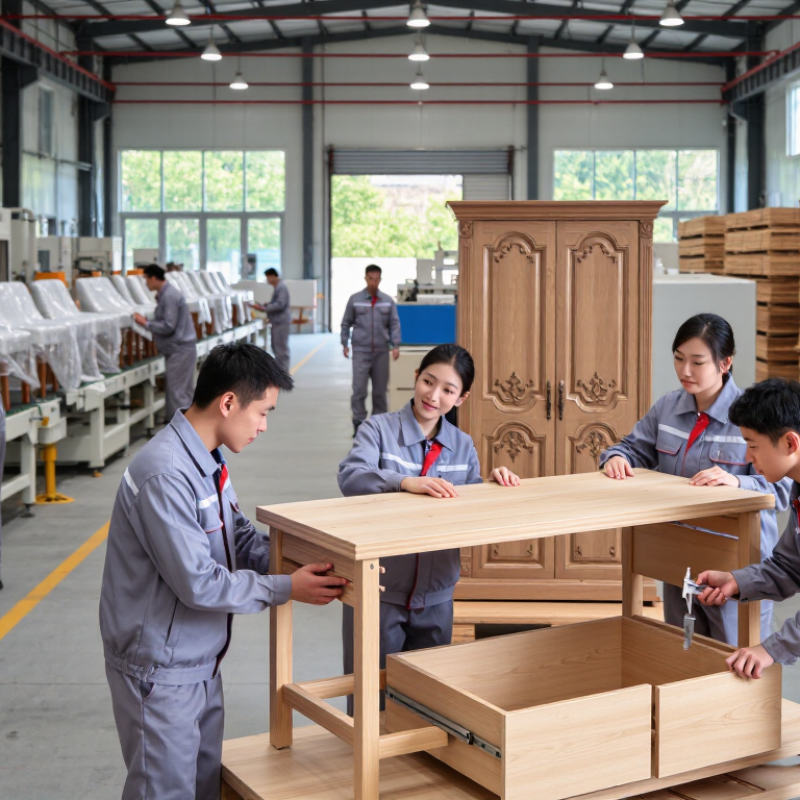
The strongest manufacturers are not always the largest. Experienced exporters usually provide clearer drawings, sample approvals, testing records, and shipment documentation. They also understand container loading and moisture risks. China Customs data shows furniture and parts remain a major export category, although demand changes across North America, Europe, and the Middle East. Buyers should avoid treating this scale as automatic proof of quality. Factory visits can reveal uneven finishing, crowded workshops, or weak inspection routines. I have found that small communication gaps often create larger costs later.
Tips:
Request a recent factory audit, product test reports, and three production samples. Confirm wood legality documents and applicable safety standards for the destination market. Use a written tolerance sheet for color, dimensions, stitching, and packaging. CSIL data is useful for market context, but it cannot replace supplier-level verification. Add a pre-shipment inspection before final payment. Simple checks help.
What Qualities Define a Top China Furniture Maker?
A top China furniture maker proves quality through repeatable work, not attractive catalog photos. Experienced buyers inspect production details before placing large orders. They ask for kiln-drying records, material grades, and joint construction. A reliable factory explains each answer clearly. It should provide samples matching approved drawings, dimensions, and finishes. Small details matter. Check drawer gaps, edge sanding, weld consistency, and packaging strength.
Professional production includes documented inspections from raw materials to loading. Look for moisture readings, hardware checks, and carton drop tests. A serious maker assigns trained staff to record defects and corrective actions. The factory should share realistic lead times instead of promising every deadline. Clear communication helps global buyers manage inventory and shipping risks. Export experience also matters. The maker should understand labeling, documents, container utilization, and applicable destination requirements.
Authority grows from evidence. Ask for recent project references, test reports, audit results, and finished installation photos. Then verify them independently. I have found that factory visits reveal more than polished presentations. Observe dust control, worker training, sample storage, and rejected panels. No factory is perfect. A capable partner admits defects and explains corrective action. That honesty may matter more than a low quote. Buyers should test a pilot order before scaling. It can expose color variation, assembly time, and damage risks early. Even strong suppliers sometimes overlook small issues during busy seasons. Performance after correction deserves attention too.
Who Are the Top China Furniture Makers for Global Buyers?
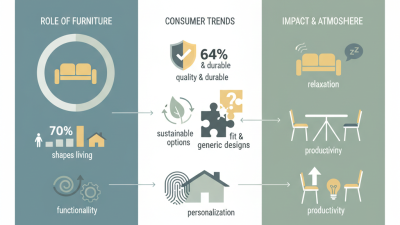
A top China furniture maker is typically evaluated through a balanced qualification framework: consistent product quality, verified material and safety compliance, reliable delivery performance, responsible manufacturing, flexible customization, and export capability. The chart shows a practical 100-point sourcing benchmark rather than data from any individual company.
Key verification areas include ISO 9001 quality systems, ISO 14001 environmental management, FSC chain of custody where applicable, REACH requirements for the EU market, formaldehyde emission testing, social-compliance audits, and documented export experience.
Major Furniture Categories and Manufacturing Hubs in China
China’s furniture strength is regional, not concentrated in one factory type. CSIL’s World Furniture Outlook 2024 estimates China contributes roughly 40% of global furniture production. China Customs data recorded furniture and parts exports above US$70 billion in 2023. These figures show scale, but not equal quality. Buyers should match each product category with the right industrial cluster.
Guangdong is strong in upholstered seating, dining furniture, hardware coordination, and export logistics. Foshan supports broad home-furnishing supply chains, while Dongguan is known for woodworking and contract production. Zhejiang, especially Anji, has deep office-chair and seating capacity.
Jiangsu and Shandong offer case goods, panels, mattresses, and cost-focused mass production. Outdoor furniture is prominent around coastal Guangdong and Zhejiang, where aluminum, rattan, and weather-resistant finishing suppliers work nearby. Clustering matters. It reduces transport between cutting, finishing, packaging, and inspection.
For global buyers, the best maker is often a category specialist with documented process control. Request material specifications, moisture limits, load tests, fire documentation, and recent third-party inspection records. ISO 9001 can indicate a quality system, but certification alone proves little. Visit the sample room and production line. Samples reveal gaps. A low quotation may hide weaker foam, thinner steel, or inconsistent color matching. That assumption needs testing. Production hubs improve sourcing, yet they do not replace factory-level due diligence, responsible labor checks, and destination-market compliance.
How Global Buyers Can Compare Chinese Furniture Suppliers
How Global Buyers Can Compare Chinese Furniture Suppliers
China remains a major furniture sourcing market, but supplier comparison requires more than factory photos. The CSIL World Furniture Outlook 2024 valued global furniture consumption at roughly US$760 billion in 2023. This scale creates choice, but also uneven quality. Buyers should verify production capacity, material specifications, export experience, and quality-control procedures before requesting quotations.
Ask each supplier for the same product brief. Include dimensions, board density, fabric composition, hardware grade, packaging method, and acceptable defect limits. Then compare like with like. A lower price may reflect thinner panels, weaker fittings, or insufficient packaging. Request recent inspection records and a sample from normal production, not a specially prepared showroom piece. Details matter.
Logistics deserve equal attention. The World Bank’s Logistics Performance Index 2023 gave China a score of 3.7 out of 5, ranking it 19th globally. Strong infrastructure helps, but it cannot remove every delivery risk. Check port options, lead-time history, carton drop-test results, and responsibility for damage claims. A practical audit should include a video walkthrough and, when possible, an independent factory visit. I have found that polished presentations can hide process gaps. Supplier comparison is never perfectly objective; written evidence makes the decision less dependent on first impressions.
Key Checks Before Placing an International Furniture Order
Choosing a China furniture maker requires more than comparing catalog photos and prices. Check how long the factory has exported similar products. Request recent project references, production photographs, and verifiable business documents. A reliable supplier should explain its materials, lead times, and quality controls clearly. Vague answers deserve caution.
Before ordering, inspect a physical sample under normal lighting. Check wood moisture, veneer alignment, welds, drawer movement, and surface finish. Ask for material specifications and independent test reports when relevant. Confirm dimensions in millimeters, carton measurements, net weight, and assembly instructions. Your purchase contract should define acceptable defects, inspection timing, packaging standards, and replacement procedures. Do not rely on messages alone. Small misunderstandings become expensive at the port.
Tips:
Use a third-party inspection before shipment. Photograph every approved sample and label it with the order number. Confirm whether prices include export packing, loading, and documentation. Ask for a production schedule with milestone dates. Test the packaging by reviewing corner protection, foam thickness, and moisture barriers. It sounds excessive. It is not. A sample may pass inspection while a full batch varies. I have seen this happen, and it remains an uncomfortable reminder that trust needs evidence. Also review payment stages carefully, rather than paying the full amount before production. Allow time for customs checks, seasonal delays, and unexpected rework. Good sourcing is not flawless; it is transparent when problems appear.